
- Home
- About Us
- Chillers
- Industrial RO System
- Projects
- Exhibition
- Certificates
- Infrastructure
- Contact Us
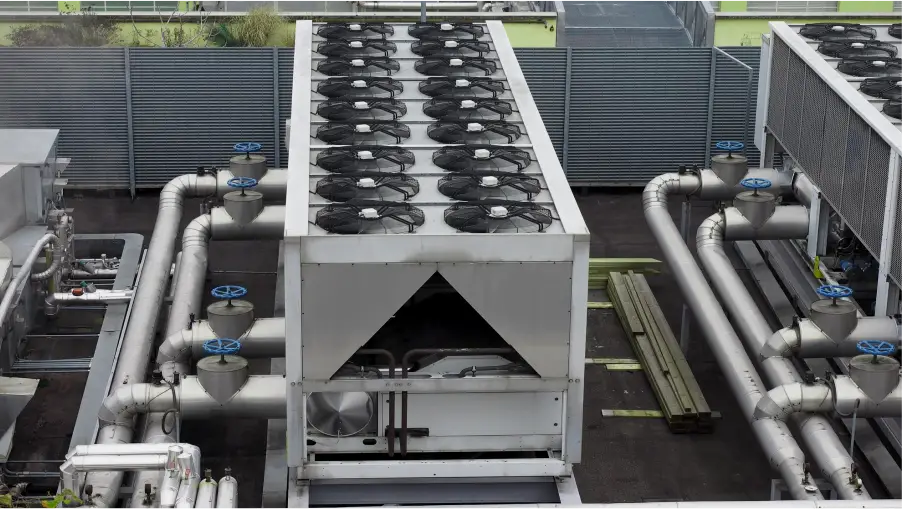
In every home offices and everywhere, water cooler machine are too useful. It helps to cool removing heat from stored water. It is done with using electricity, airflow, and internal components. The whole system depends on proper water movement and proper air circulation. It is important to understand if one part got damage which can reduce overall cooling. A mini water cooler works on a smaller scale, while a commercial water cooler works for heavy usage. Each type needs balance between water flow, airflow, and temperature control.
Whenever water cooler got damage and some problem cooling problems always show early signs. Water feels normal instead of cold. The water cooler dispenser releases water without freshness. The system produces unusual sound or vibration. The cooling time becomes longer than usual. It is important to notice these signs early. Early action prevents bigger damage and costly repair.
This has a direct impact on cooling caused by water circulation. Reduced heat exchange occurs because of low water in the water tank cooler. The clogged pipes are reduced of velocity. Flow is disturbed by the presence of air bubbles.
A water cooler relies on free circulation to extract the heat evenly. The circulation is not good resulting in uneven cooling and warm water production.
The pump moves water inside the system. A faulty cooler water pump stops circulation completely. A damaged cooler water motor runs slowly and loses efficiency. A combined cooler water motor pump fails when internal wear increases.
A system with cooler water pump motor demonstrates poor cooling during instances of fluctuation in voltage. An electronic component such as a cooler water pump 40 watt, is put into operation with a fixed power rating so that it does not continue operating when subjected to unstable electrical supply.
Airflow removes heat from internal parts. A weak water cooler fan cannot push air properly. Dust build-up blocks ventilation paths.
A tower air cooler with water depends on airflow for temperature reduction. A tower air cooler without water relies fully on air circulation. Air water coolers for home lose cooling when airflow becomes restricted.
Water quality affects cooling efficiency. A blocked water cooler filter restricts water movement. A water filter and cooler combination needs regular cleaning.
A water filtration cooler performs poorly when filters remain dirty. A water purifier for water cooler requires maintenance to avoid internal blockage and pressure imbalance.
Some coolers use refrigeration technology. A damaged water cooler compressor cannot remove heat. Cooling stops even though power supply remains active.
An electric water cooler depends on compressor health. An industrial water cooler works under continuous load and needs regular inspection. A cold water cooler fails when refrigerant pressure drops or leaks.
Build material affects temperature control. A steel water cooler handles heat better. A stainless steel water cooler resists corrosion and scaling.
A big water cooler needs stronger airflow due to larger storage. Poor ventilation affects internal temperature stability.
Placement affects performance. A water cooler for home struggles near sunlight or heat sources. An office water cooler faces frequent usage and needs proper servicing.
A portable water cooler absorbs external heat faster and needs shaded placement.
Wrong capacity causes cooling complaints. A 5 litre water cooler cools quickly but warms fast. A 20 litre water cooler holds more water but needs more cooling time. A 20 ltr water cooler needs strong airflow support.
A big water cooler feels ineffective when usage exceeds design capacity.
Choosing the right water cooler plays a major role in long-term performance. Many cooling complaints do not come from defects or failures. Many issues start at the selection stage, where capacity, material, features, or installation type does not match actual usage.
A water cooler that fits usage conditions works smoothly for years. A poorly matched system shows cooling loss, higher maintenance, and early wear. Understanding the decision factors helps reduce future problems and service calls.
Water cooler capacity decides how stable cooling remains during regular use. Capacity does not only mean storage size. Capacity also defines how quickly the system can recover cooling after repeated usage.
A 5 litre water cooler is ideal in a personal cabin, small home or low traffic. The unit cools down water fast since there is a limited amount of water that has to be contained. When frequency of usage is high, cooling loss is observed to rise. This capacity cannot cope with the shareable spaces where several users take back-to-back water.
A 20 litre water cooler will fit best in the family, office and moderate business districts. Repeated use can be better served by the larger storage. There is a slight increase in the cooling time, whereas temperature stability is enhanced. This ability leads to fewer complaints in which the demand remains the same all day long.
Incorrect capacity selection creates false cooling issues. Users often assume a system is faulty when the actual problem is undersized storage. Capacity should always match peak usage, not average usage.
Material selection affects cooling efficiency, hygiene, and long-term durability. Body material also influences heat retention and internal cleanliness.
A steel water cooler offers good structural strength and handles rough environments better. The material supports industrial and high-usage conditions where physical durability matters more than appearance. Internal scaling still requires regular cleaning.
A stainless steel water cooler provides better resistance to corrosion and bacterial buildup. The material supports hygiene-focused environments like hospitals, food units, and offices. Heat transfer remains more consistent due to smoother internal surfaces. Long-term cooling stability improves when internal scaling stays low.
Material choice does not change cooling technology, but it directly impacts how long the system maintains efficiency without frequent servicing.
Additional features add value, but they also add responsibility. Each feature increases system complexity and maintenance requirements.
A water cooler with purifier improves water quality before cooling. The feature works well in areas with moderate water contamination. Always make sure that filter should be replace in weekly. Cooling complaints often appear when filters clog and restrict flow.
An RO water cooler deals with water that has a high TDS and loses impurities. The system relies on pressure equilibrium and well-being of membranes. The cooling performance will be impaired when the RO system limits water supply or the system is used inappropriate pressure.
A water cooler with refrigerator combines storage cooling with water cooling. The system manages two temperature zones. Frost buildup or uneven load distribution affects water cooling stability if maintenance is ignored.
Feature selection should depend on water quality and maintenance capability. More features do not always mean better performance if upkeep remains inconsistent.
Regular cleaning keeps cooling performance stable and predictable. A clean water cooler tank allows cold water to stay fresh and free from odour. Dirt build-up inside the tank acts like insulation and slows down cooling over time. A mini water cooler shows cooling issues faster because the internal volume is small and contamination spreads quickly. An office water cooler faces higher usage, so bacteria and mineral deposits build up faster than expected.
Monthly cleaning removes settled impurities and prevents scaling on internal surfaces. Clean tanks also reduce load on cooling components. Cooling feels stronger and more consistent when water flows freely without blockage. Cleaning is not only about hygiene. Cleaning directly affects cooling efficiency and system lifespan.
Pump and fan regulates the exit heat. A water pump cooler is an air cooler pump which circulates water in cooling regions and maintains a balance of temperature. A weak pump reduces circulation and creates uneven cooling. A cooler water pump motor loses efficiency gradually, so weekly checks help catch problems early. Noise, vibration, or slow movement signals upcoming failure.
A water cooler fan removes heat from internal components. Reduced airflow traps heat inside the unit and weakens cooling output. Weekly inspection helps ensure smooth rotation and clear air passage. Proper pump and fan operation keeps cooling stable during peak usage and prevents sudden breakdowns.
Filter condition fixes the quality of water and cooling efficiency. Full of water cooler filter reduces the water flow and elevates internal pressure. The problem with the cooling systems is that they cannot be easily cooled using less water. A water filtration cooler will require to change filters in time. Loss of compliance with replacement schedules will lead to diminished cooling and poor flavor.
Water purifier of water cooler also includes another filtering layer which ought to be considered. The filters block the flow and overburd the pumps when they are out of date. Premature change supports cooling even and avoids the destruction of inner components of the system owing to sediments.
Compressor health defines cooling strength in advanced systems. An electric water cooler depends on compressor performance to remove heat efficiently. Wear and overheating reduce cooling capacity gradually. An industrial water cooler runs for long hours and faces higher stress, so scheduled servicing prevents sudden failure. A commercial water cooler supports continuous demand and cannot afford downtime.
Routine compressor inspection checks pressure balance, electrical load, and heat rejection. Proper service keeps cooling steady and avoids costly repairs. Maintenance supports long-term efficiency instead of short-term fixes.
Every part of a water cooling system is affected by water quality. Filtered water reduces mineral build up and scaling. Scaling creates insulation layers that block heat transfer. A 20 litre water cooler stores more water and shows scaling faster when water quality is poor. A 5 litre water cooler shows stricter temperature changes when deposits block the inflow. The poor water quality makes the cooler work harder and deposits restrict the coolant flow.
Clean water protects all the system’s components. Good water quality ensures that the system cools properly and makes maintenance less frequent. Good water quality habits increase the system’s lifespan and it improves the cooling comfort.
The failure of cooling does not occur abruptly. Minor problems accumulate, and minimize efficiency. Performance is determined by water flow, airflow, cleanliness and proper usage. The consideration of these factors sustains cooling to be consistent and stable.
A properly maintained system is able to provide safe and cold water and keep the day to day comfort going.
The lack of effective cooling of a running water cooler may be caused by insufficient water circulation, filtered out filters, low airflow, and inefficiency of a pump and fan. Efforts to heat the water may be slackened by blocked pipes, air bubbles, dusty pipes, or low water levels even with power-ON. The initial symptoms are the prolonged cooling period, normal temperature water, and peculiar noise. Early resolution of such concerns eliminates compressor stress and expensive repairs.
Yes, the cooling stability depends on the direct influence of water cooler capacity. A 5 litre water cooler cools easily but it turns off easily in high traffic areas hence unsuitable in the shared areas. With repeated usage, a 20 litre water cooler works efficiently but needs a stronger airflow and additional cooling time. Numerous complaints associated with cooling are linked to small capacity and not faulty units.
Clogged or dirty filters cut off the flow of water, raise inside pressure, and lower the cooling efficiency. Due to poor water quality, there is mineral scaling that prevents surfaces of heat transfer. This causes the system to overwork whilst providing poorer cooling. Frequent change of the arter and the use of clean water will keep the cooling steady, will help improve the taste and increase the life of the system.
Long term cooling performance is dependent on consistent maintenance. The monthly tank cleaning ensures that the insulation is not contaminated, the weekly pump and fan inspection is conducted to make sure the circulation works correctly, the filters are changed on time and the compressor is serviced monthly to help in the efficient removal of heat. Such measures will avoid slow cooling wastage and minimize the chances of breakdowns.