
- Home
- About Us
- Chillers
- Industrial RO System
- Projects
- Exhibition
- Certificates
- Infrastructure
- Contact Us
A water chiller is a cooling medium that was created to control the heat capacity and ensure that there is a constant temperature of water in industrial and commercial processes. It continuously circulates chilled water to absorb and transfer the heat of machines, process lines, or building systems to maintain the best working conditions. Cooling that is regulated by a water chiller enhances consistency of the process, minimises thermal stress on the equipment and sustains continuous production cycles.
Water chillers are typically applied in the process industries, plastic and packaging plants, pharmaceutical plants, food processing plants and HVAC systems where the temperature must remain constant. They are made to work continuously around the clock with the aim of having efficient heat exchange, longevity in their operation and low energy consumption. Water coolers help to increase the life cycle of the equipment, maintain the consistency of the quality of the output, and the overall performance of the entire system.
In the modern industries and high performance commercial set ups, a stable and accurate cooling is required to ensure productivity, safety and comfortability. The water chiller is at the center of most cooling systems, and is a fairly robust, reliable, and energy efficient equipment which is used to extract unwanted heat out of water and distribute chilled water to systems which require a specific temperature.
Supported by years of engineering expertise and real world performance data, Water Chiller Manufacturers in India, manufactures systems that have a wide range of application; be it in manufacturing process cooling or large building HVAC.
The Water Chiller Suppliers in India act as intermediaries between manufacturers and end users. A capable supplier offers:
Suppliers assist in the process of converting the technical needs into workable solutions, so that the water chiller you choose will best fit the place conditions and performance objectives of your site.
A water chiller is a refrigeration system, which removes heat in a liquid. The cooled water is usually a mixture of water and glycol (to prevent freezing), then circulated either in a process or equipment to take in heat. Once the heat is absorbed the warmer fluid goes back to the chiller to be cooled once again- forming a continuous, regulated loop of cooling.
Where fine temperature control is needed, water chillers are utilized:
The objective in both applications is the same to keep the temperatures stable in order to preserve equipment, improve efficiency and provide reliability to the processes.
The water chillers utilize the principle of vapor compression refrigeration that is an established engineering principle and is an effective way of transferring heat. The technology itself may be technical but the principle is simple: one side of the system absorbs the heat in a piece of water and the other releases it to the environment.
Water chillers have the ability to maintain water chilled at all times; this is a repeated process to maintain the continuous maintenance of water chilled even in the hard industrial environment.
The dealers who ensure the hands-on assistance in your area are certified Water Chiller Dealers in India. They usually offer services such as:
Dealers enhance your strength to maintain the chiller in good operation throughout its entire life cycle with quicker response and services that are localized.
Air cooled chillers reject the heat through ambient air and built in fans. They are simple to install and maintain since they do not need to have external water systems. These systems are effective in the moderate weather and small facilities where cooling is a big issue but is not extreme.
Typical Uses:
Water cooled chillers reject heat with the assistance of a cooling tower and condenser water. They can be more efficient by using water which has a higher heat transfer efficiency than air thereby being useful in high heat loads or hot climates.
Key Benefits:
Owing to such benefits, water cooled chillers can be found in large industrial applications and centralized HVAC plants.
A compressor is the heart of every water chiller and the selection of compressor has an effect on the performance, efficiency, longevity and maintenance.
Small to medium chillers are commonly done with scroll compressors. They are famous with low vibration and reliability, provide quiet working and high efficiency at moderate loads.
Screw compressors are used in bigger chillers in industries and offer great power during constant use. They can be used in heavy duty cooling due to their capability to be efficient over a broad operating range.
Centrifugal compressors are highly efficient at large capacity, which is used with very large cooling capacities, such as those in district cooling, large commercial buildings, and data centers. They are usually selected in cases where the capacity is more than several hundred tons.
Although they are not that widespread with contemporary chillers, there is a reputation of rugged construction and durability that comes with reciprocating compressors. They tend to exist in outdated systems or niche industry systems.
Trusted Water Chillers Exporters in India is essential for sourcing internationally, a reliable exporter is essential to a business. Exporters ensure:
As the world chain of supply becomes global, the exporters bring world class water chillers closer to the facilities across the borders, allowing transfer of technology without concessions.
Water chiller can be used in a variety of industries:
In manufacturing factories, plastics, metals, chemicals and drugs: chillers are used to regulate the temperature of equipment and processes to enhance quality, minimize waste and overheat of machines.
Centralized cooling is a cooling method reliant on the use of water chillers to supply several air handling units within a large building, campus, or facility. These systems enhance the comfort of the occupants and they are also energy efficient.
Since laboratory equipment up to medical imaging equipments are sensitive technologies, they need a tight temperature regulation that can be achieved only by a dedicated water chiller.
When evaluating the water chillers, technical specifications should be considered in making sure that the system is appropriate to your operational needs:
The combination of these parameters is chosen appropriately to guarantee maximum operation performance and low lifetime operating cost.
The selection of the appropriate water chiller does not fit in all situations. Normally experienced engineers and facility planners take into account:
The combination of the competent professionals and comprehension of your operational profile can be likened to enhancing the reliability of your system and minimizing the occurrence of unforeseen down time.
When a water chiller is maintained, it has a longer lifespan and is more efficient. Some of the maintenance practices that have been recommended by experienced operators include:
Maintenance is also proactive which can not only help keep your equipment investment safe but also ensure that performance during cooling is in a consistent manner.
Water chillers are not the simple cooling machines but are vital systems which help to maintain the stability of the processes, enhance energy efficiency and preserve the assets in the industrial and commercial environments. A quality water chiller can be a reliable source of years of high performance with due selection, installation, and maintenance.
The involvement of familiar manufacturers, knowledgable suppliers, and dealers, and world exporters also means that your cooling solution will act with precision as needed - even in the most extreme circumstances.
Regardless of whether you are defining a new system or a system upgrade, it is important to know how the water chillers operate and how to select the appropriate partner to help you succeed in the long run.
| Specification | Small-Medium Water Chillers | Industrial Water-Cooled Scroll Chillers | Industrial Mid-Range Water Chillers | Larger Industrial Water Chillers (Semi-Hermetic Screw) |
|---|---|---|---|---|
|
Cooling Capacity |
~9.5–66 kW (models AW-3W to AW-20WD) |
~9.6–50 kW (DK-03W to DK-15WD) |
~34–120 kW (MG-12W to MG-40W) |
~100–1980 kW (large TPW series) |
|
Input Power |
3.07–19.71 kW |
2.8–13.1 kW |
11.55–38.4 kW |
22–398 kW |
|
Compressor Type |
Hermetic Scroll/Piston |
Hermetic Scroll |
Hermetic Scroll |
Semi-Hermetic Screw (larger models) |
|
Refrigerant |
R22 / R407C / R134a / R404A / R410A |
R22 / R410A / R407C |
R407C |
R22 / R134a / R407C / R404A |
|
Control Method |
Capillary / Thermostatic Expansion Valve |
Capillary / Thermostatic Expansion Valve |
Thermostatic Expansion Valve |
Thermostatic Expansion Valve |
|
Evaporator Type |
Not always specified (varies) |
Integrated Tank + Tube options |
SS Tank with Coil / Shell-Tube / Plate |
Not always specified in basic table |
|
Water Flow (Evaporator) |
— |
1.65–8.62 m³/h |
5.85–20.7 m³/h |
— |
|
Pipe Size (In/Out) |
Varies per model |
DN25–DN50 |
DN32–DN65 |
— |
|
Pump Power |
Often included (0.75–1.5 kW) |
0.55–1.5 kW |
0.75–2.2 kW |
— |
|
Dimensions / Weight |
Smaller footprint (e.g., 890×500×840 mm, 165 kg) |
Compact to mid size (kg 120–400) |
Larger frames (500–1200 kg) |
Much larger industrial frames (varies) |
|
Typical Temp Range |
~5–35°C (varies by model) |
~ standard chilled water range (varies) |
Standard industrial chilled water range |
Standard industrial range |
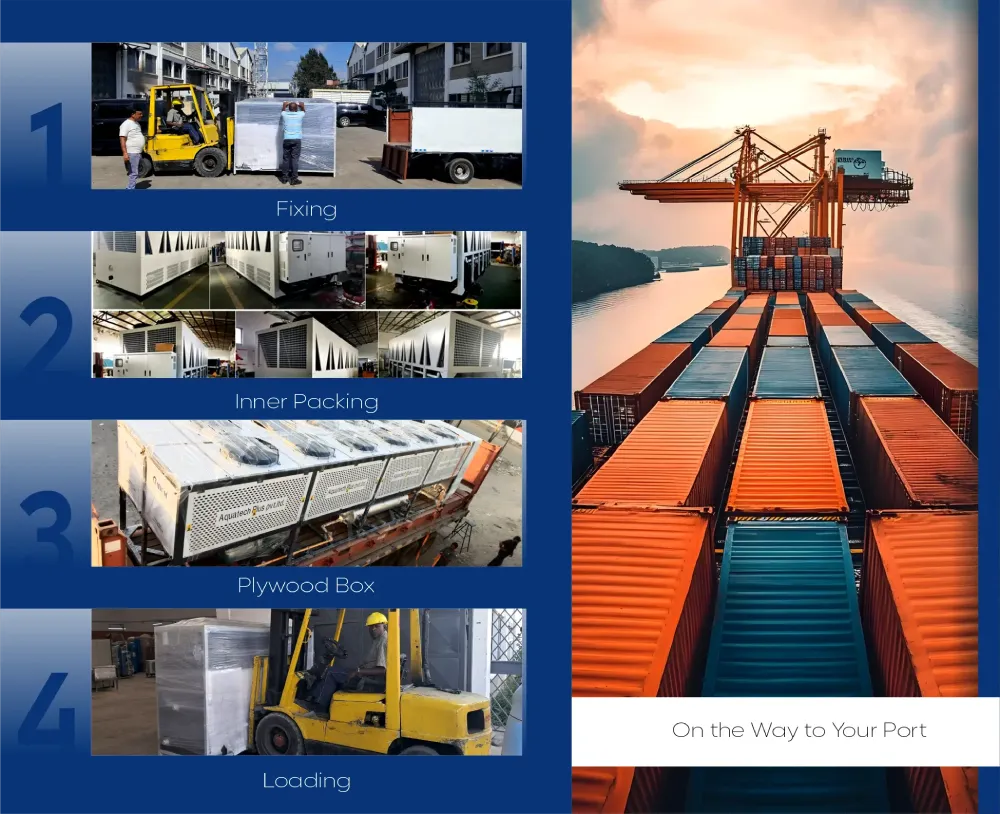
We have a uniform workflow in packaging and logistics that is export-wise, which prepares all our products except that they are safe in handling and delivery with no damages in India and other countries. Every phase is also thought out to cushion equipment against vibration, impact, and moisture risks in addition to long-distance transportation risks. The same is done to water chillers, air chillers and all other products that we produce and supply.
The process starts with mechanical repair of the unit of the product. The industrial quality fastening is used in all internal assemblies, critical parts, piping, and electrical parts. Moving components are fixed, and vibration-sensitive sites are fixed to avoid the mechanical stress during the transportation.
Objective: Avoid internal movement, vibration breakage, and alignments during transportation.
Once the repair is done the product is inner-packed with moisture-proof and shock absorbing materials. Foam padding, stretch film and cushioning materials are used as protective layers to cover all the exposed areas and all those components which are sensitive.
Objective: Dust, humidity, surface abrasion, and small mechanical shocks.
The product is packed in a specially designed heavy-duty plyboard box which is produced depending on its size and weight. The casing of the plywood is strengthened to resist the weights of the stacking, forklift operation and the transportation strain over long distances. When exporting goods, the packing is done to comply with the shipping and container loading requirements by the international community.
Objective: Optimal security on the outside and the requirements of the domestic and export logistics.
The product is loaded to the trucks with the use of cranes or forklifts, in accordance with good lifting and load-sharing practices. The delivery is then by road under conditions of control. In the case of domestic clients, the truck will go straight to the facility of the customer.
Objective: Loading and stable transportation on the road.
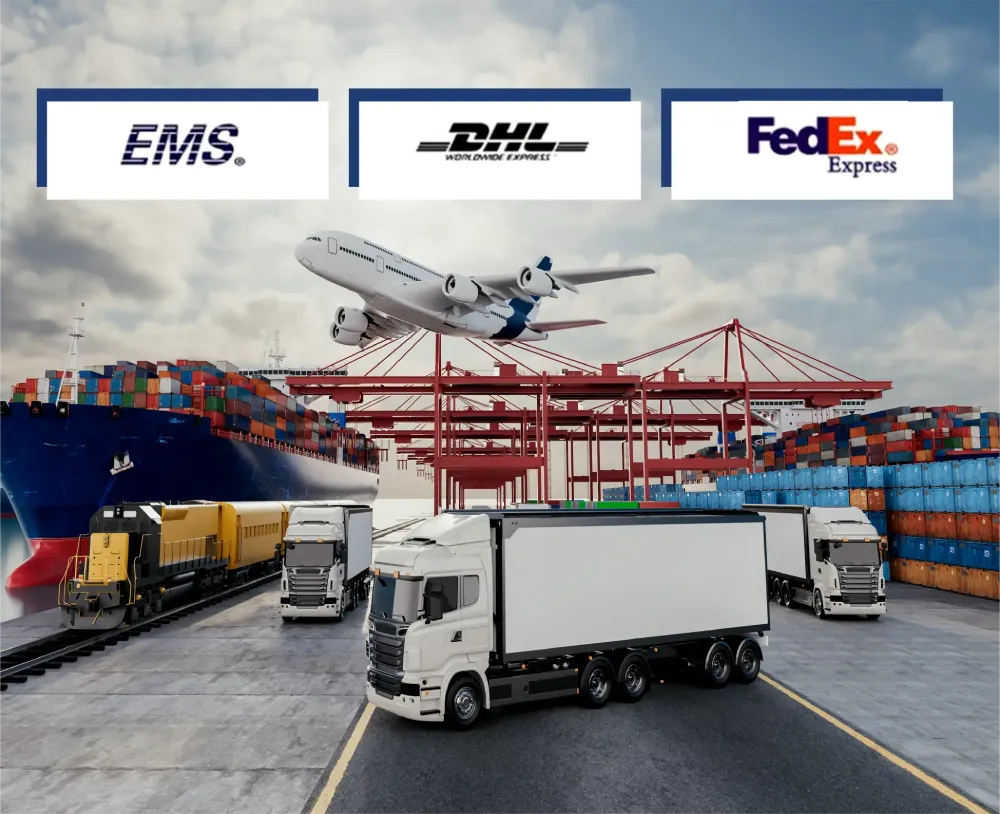
Whereas in international deliveries, the shipment is taken out of our plant to the Indian port. Pre-port entry All the export documentation, labeling and compliance checks are done before port entry.
Our logistics partners are reputable and trusted individuals like EMS, DHL Express, and FedEx Express who help us to have an easy time moving the ports and handling the exports.
Goal: The port handling and export preparation are smooth.
After clearance in the port, the product is delivered through sea freight into the destination port of the client. The packaging is to maintain a long transit period, container handling and a fluctuating weather pattern.
The international deliveries are also arranged with the help of the existing world logistics systems, the EMS, DHL Express and FedEx Express, which guarantee the safe and timely delivery.
Purpose: Achieve international delivery with low levels of transits.
A clear packaging and transportation procedure would assure that all products will be delivered to the clients in working conditions, lessen installation and commission problems, minimize the risk of transit damage, and facilitate hassle-free domestic and foreign delivery.
This is our standard operating procedure and is used in the process of packaging and transportation of all our products. Although the central process is the same, a different method can be used to pack the products, depending on the product size, weight and the destination to which the product is to be shipped.
This packaging and transportation workflow represents our standard operating process and is uniformly followed across our entire product range. The steps outlined above are not product-specific but define our company-wide logistics and export handling standards.
To maintain consistency, safety, and compliance, this process is intentionally displayed across all relevant product pages under the Packaging & Transportation section. While the framework remains the same, actual packing materials, box dimensions, and handling methods may vary depending on product size, weight, and shipment destination.
From an operational standpoint, this approach ensures:
From an SEO and documentation perspective, this section is used to clearly communicate our established logistics protocol, not to repeat marketing content. Each product page focuses on its unique specifications and applications, while this section defines our common logistics standards.
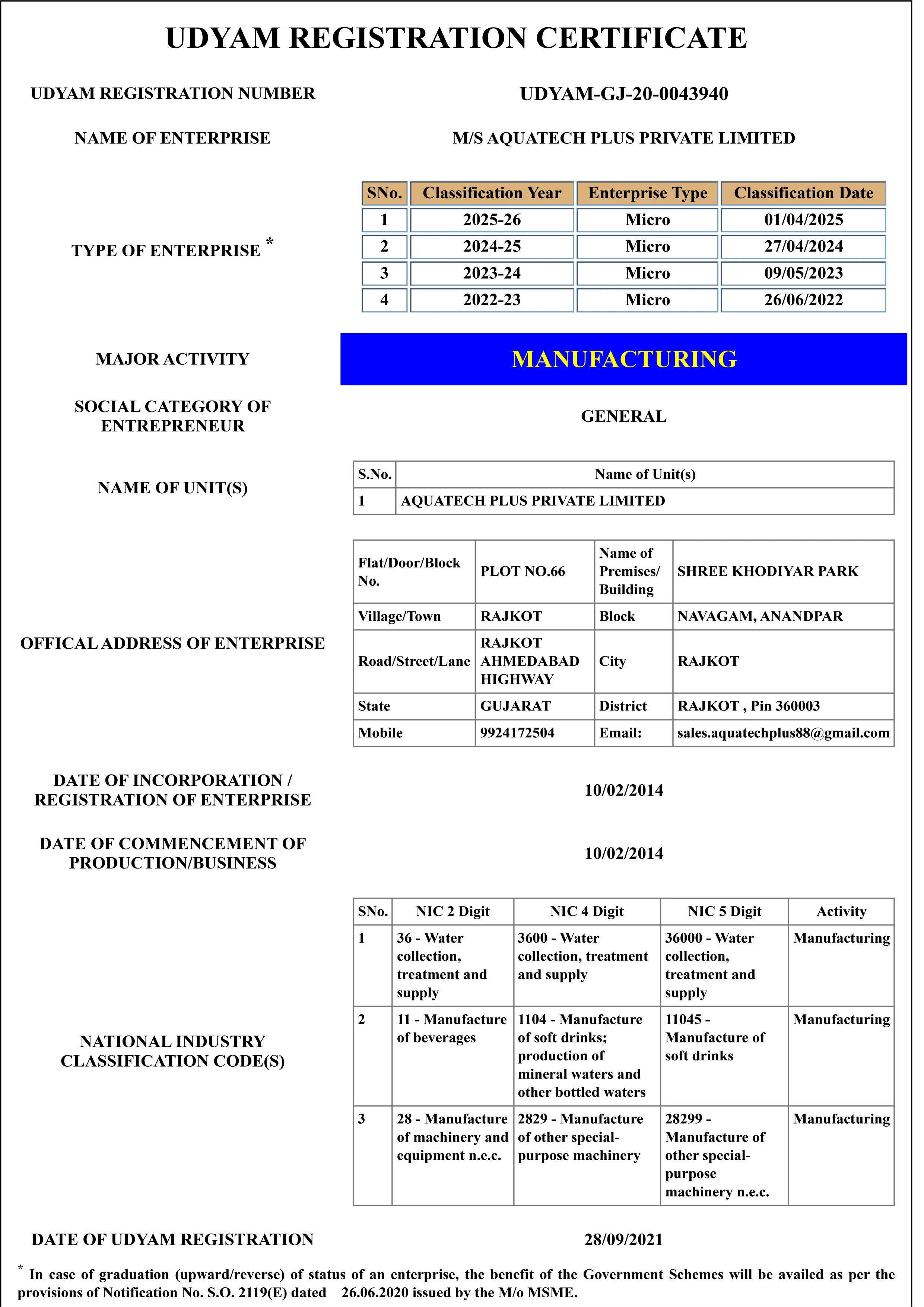
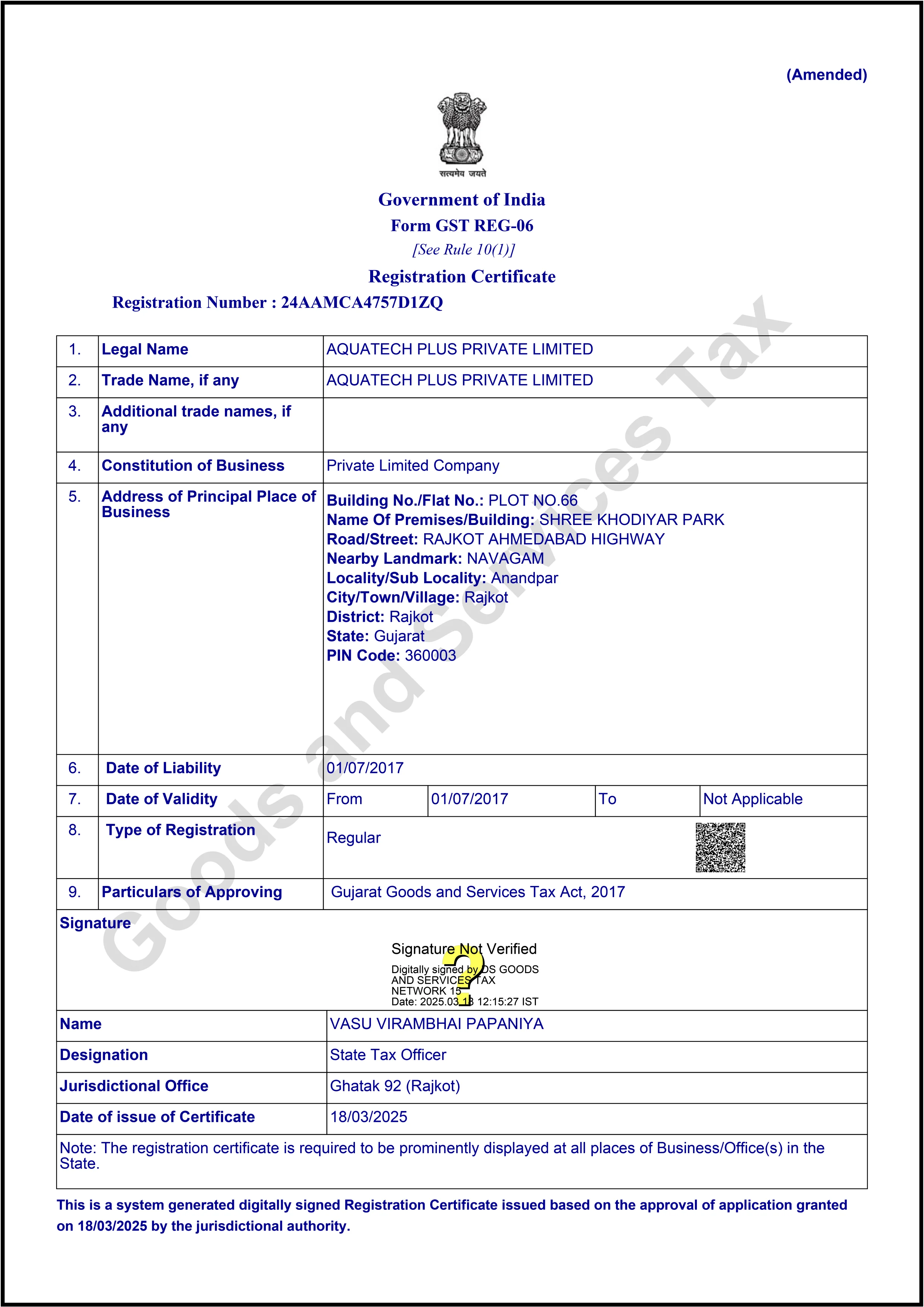
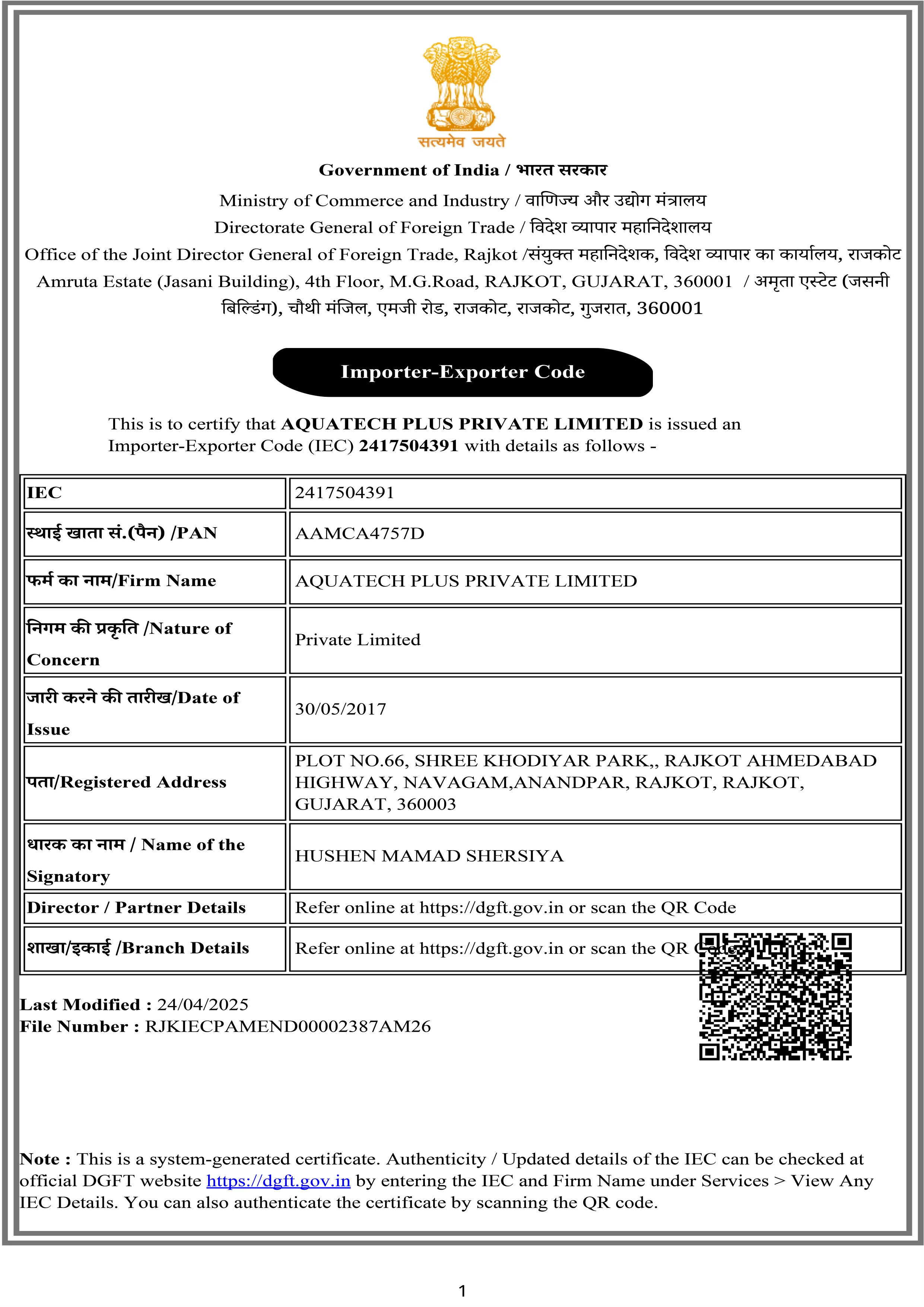
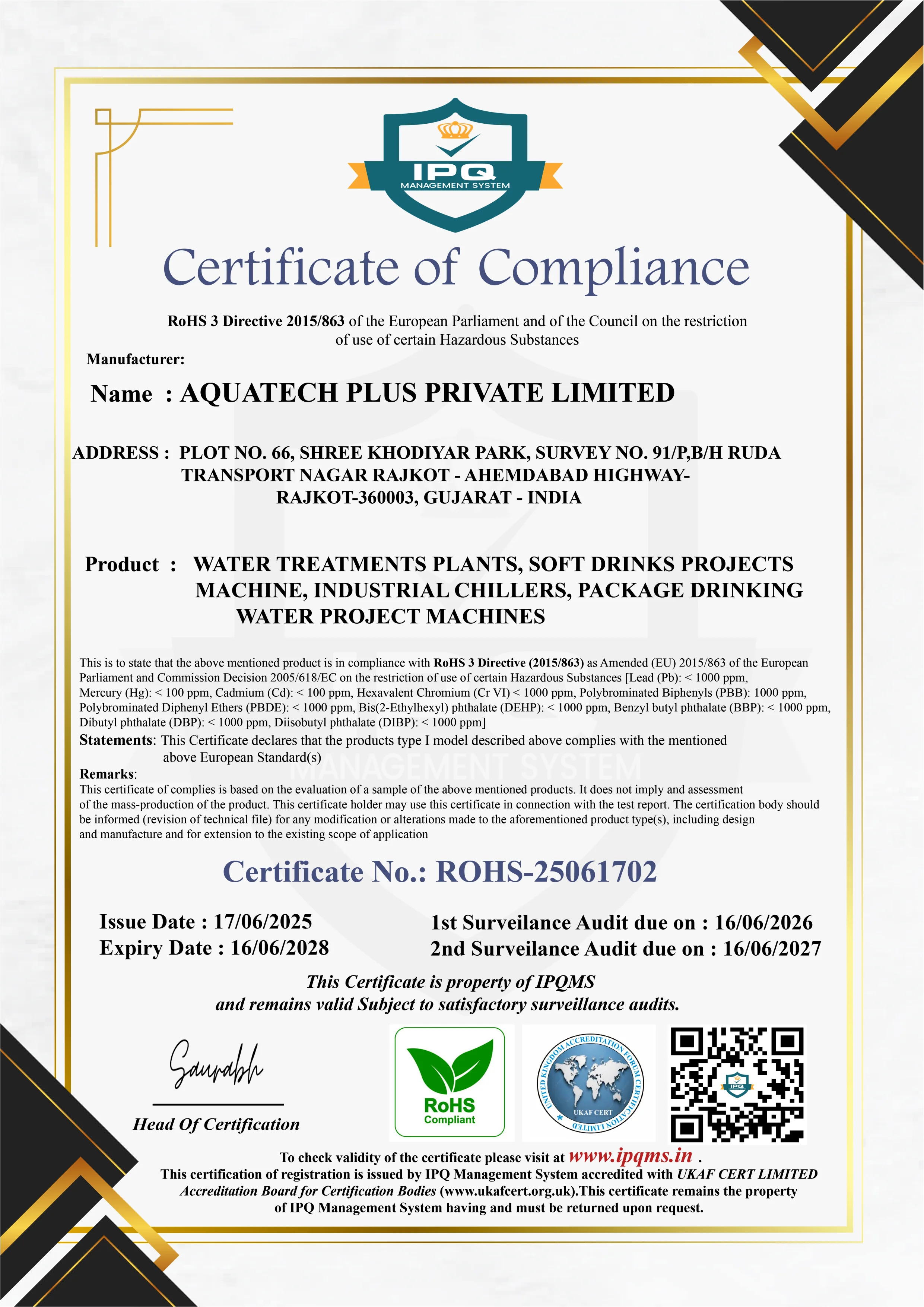
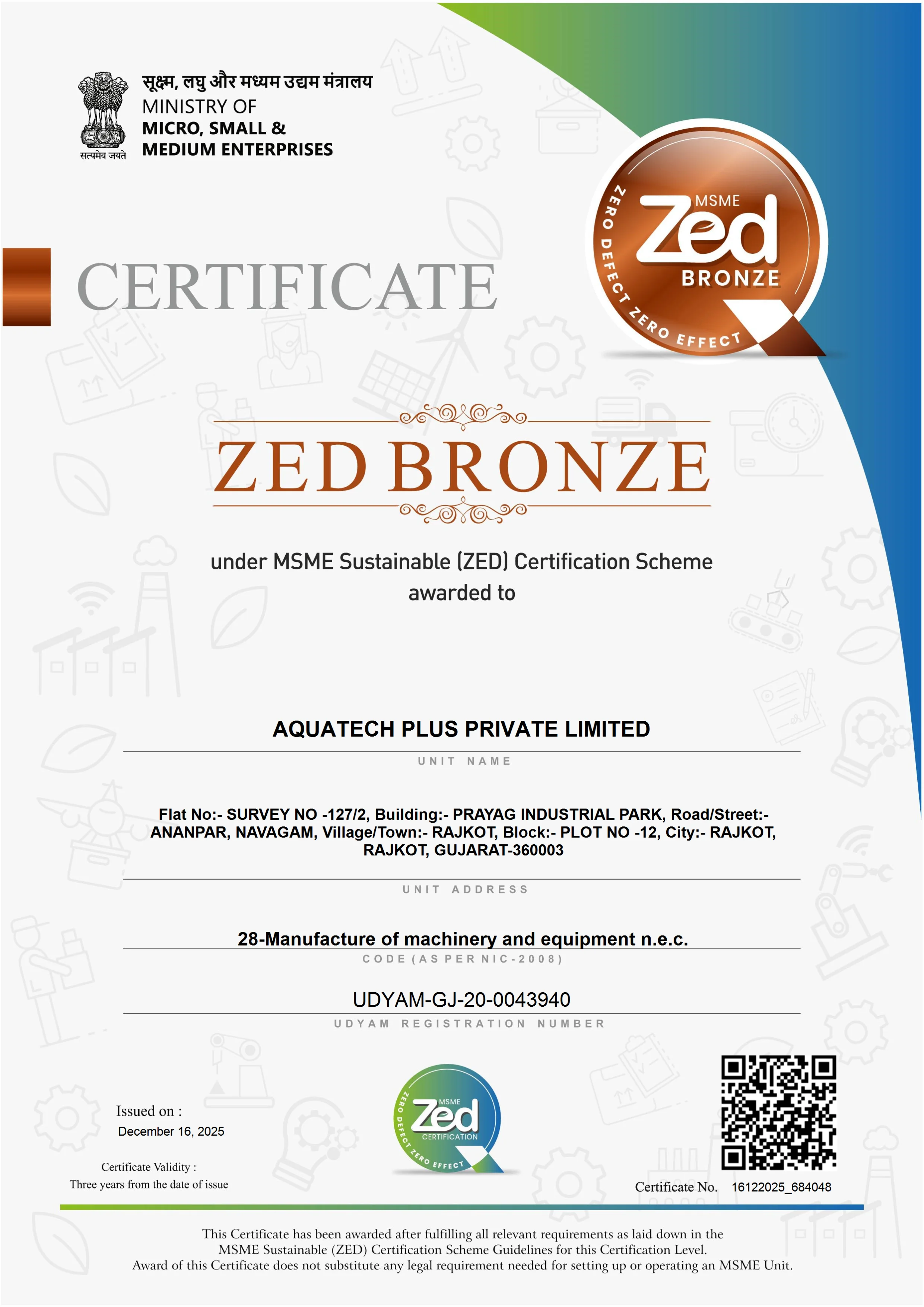
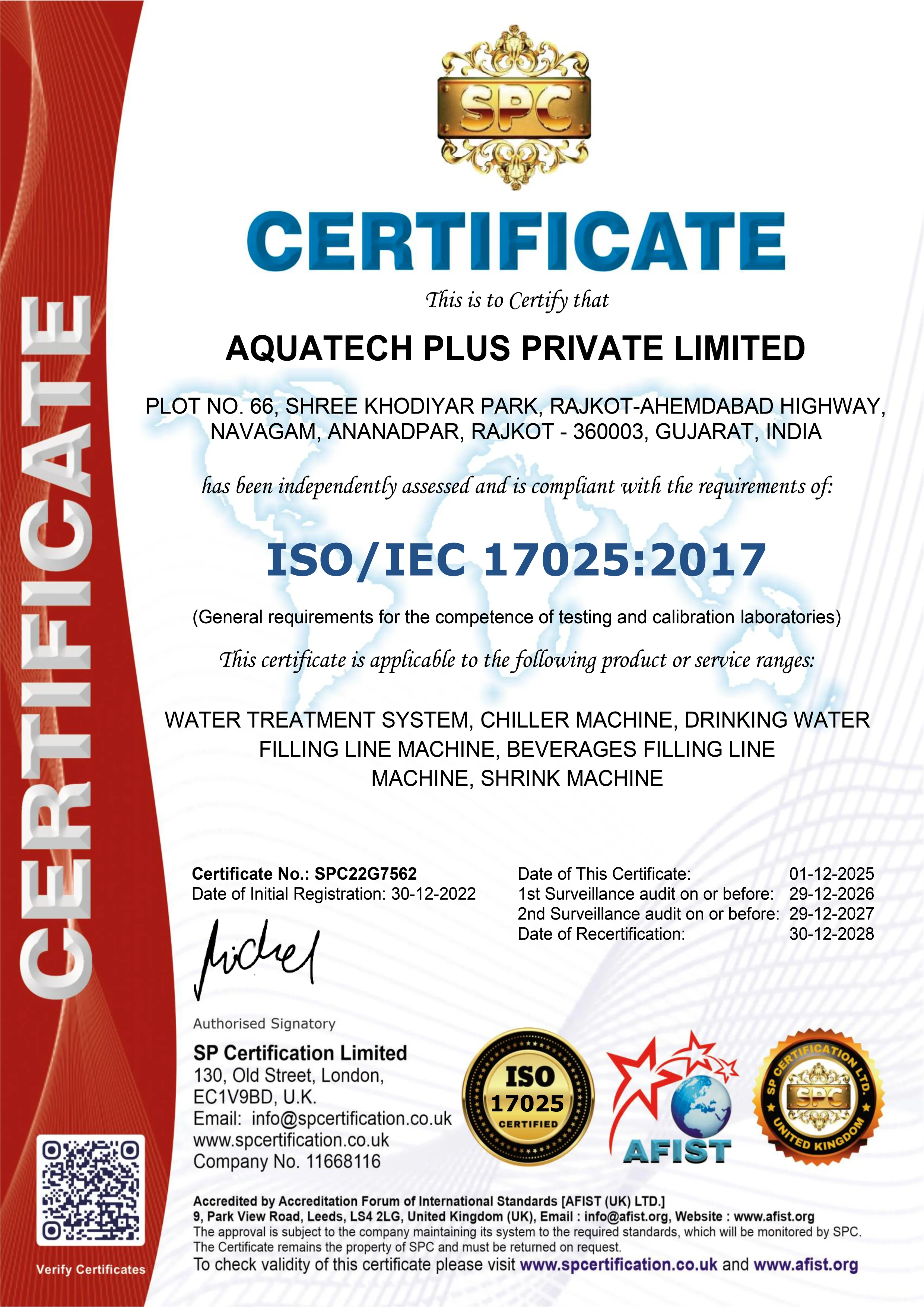
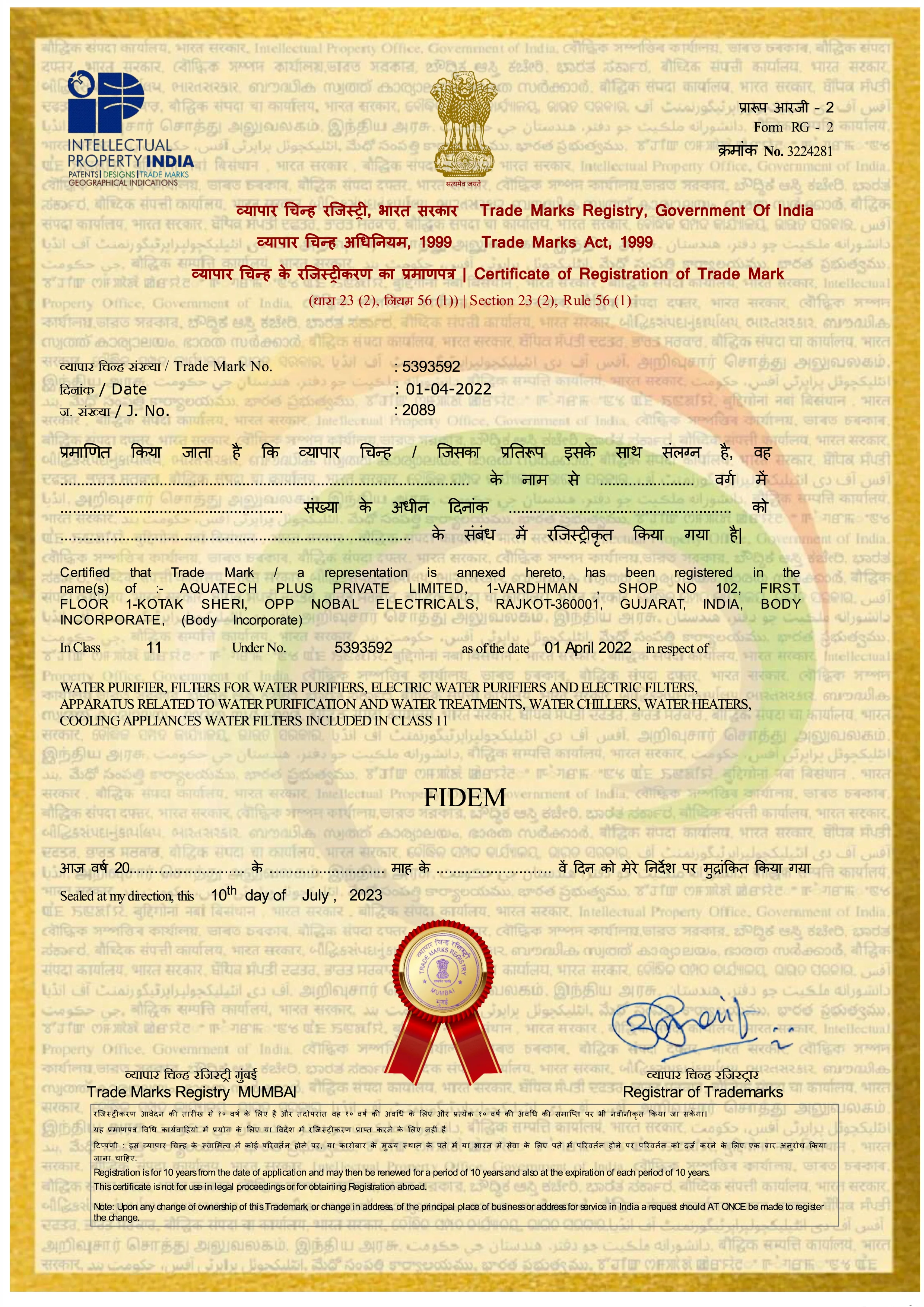
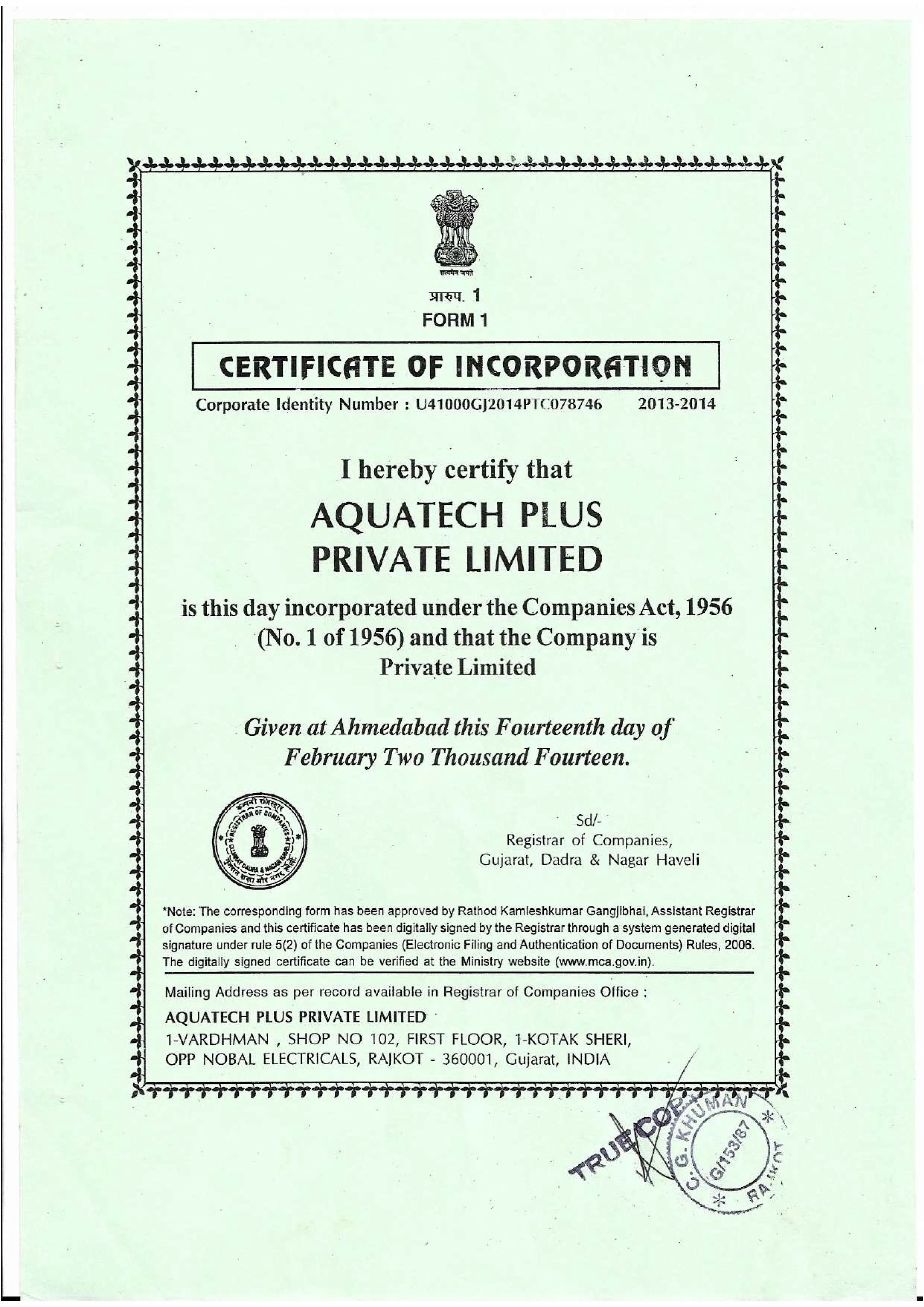
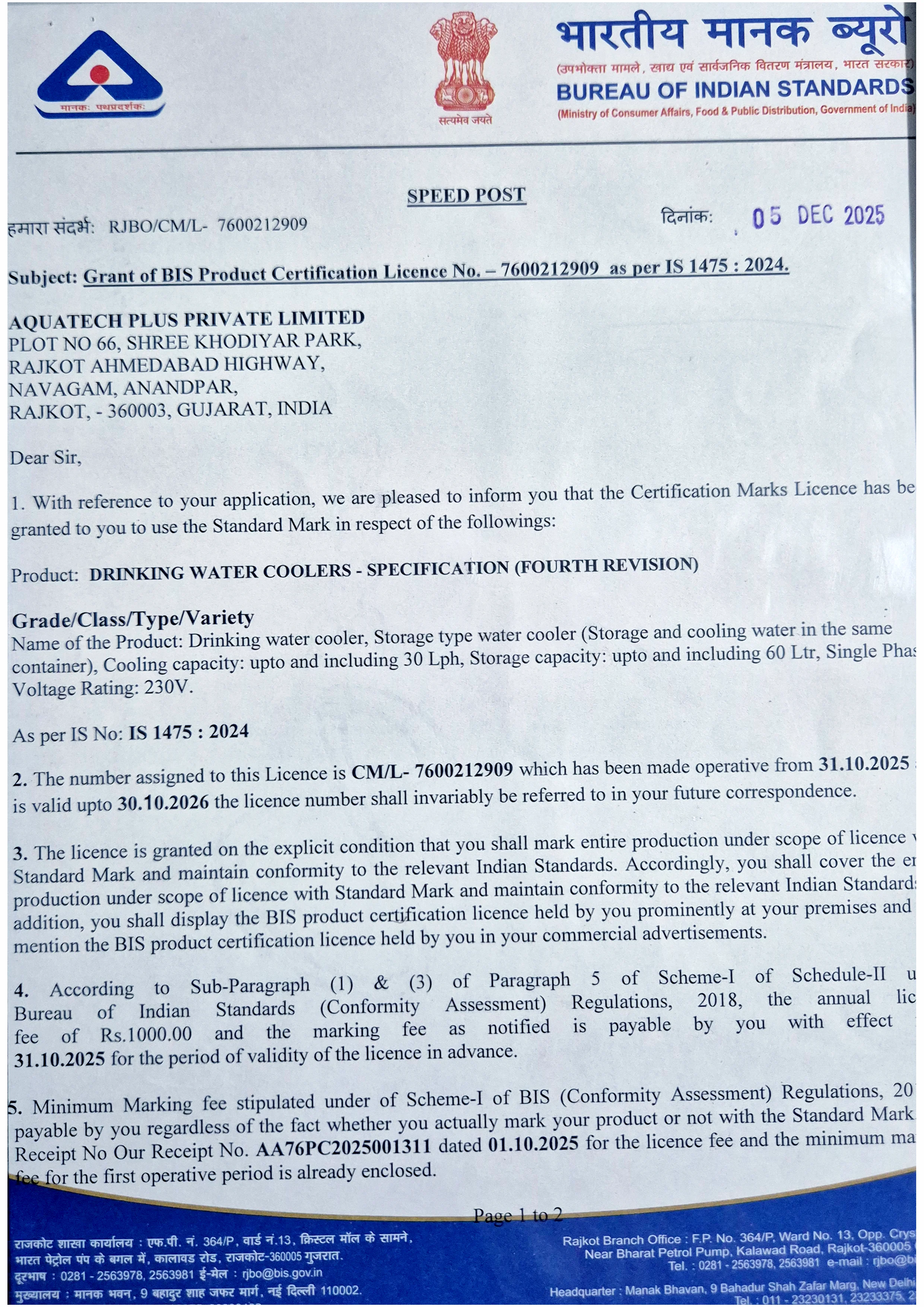
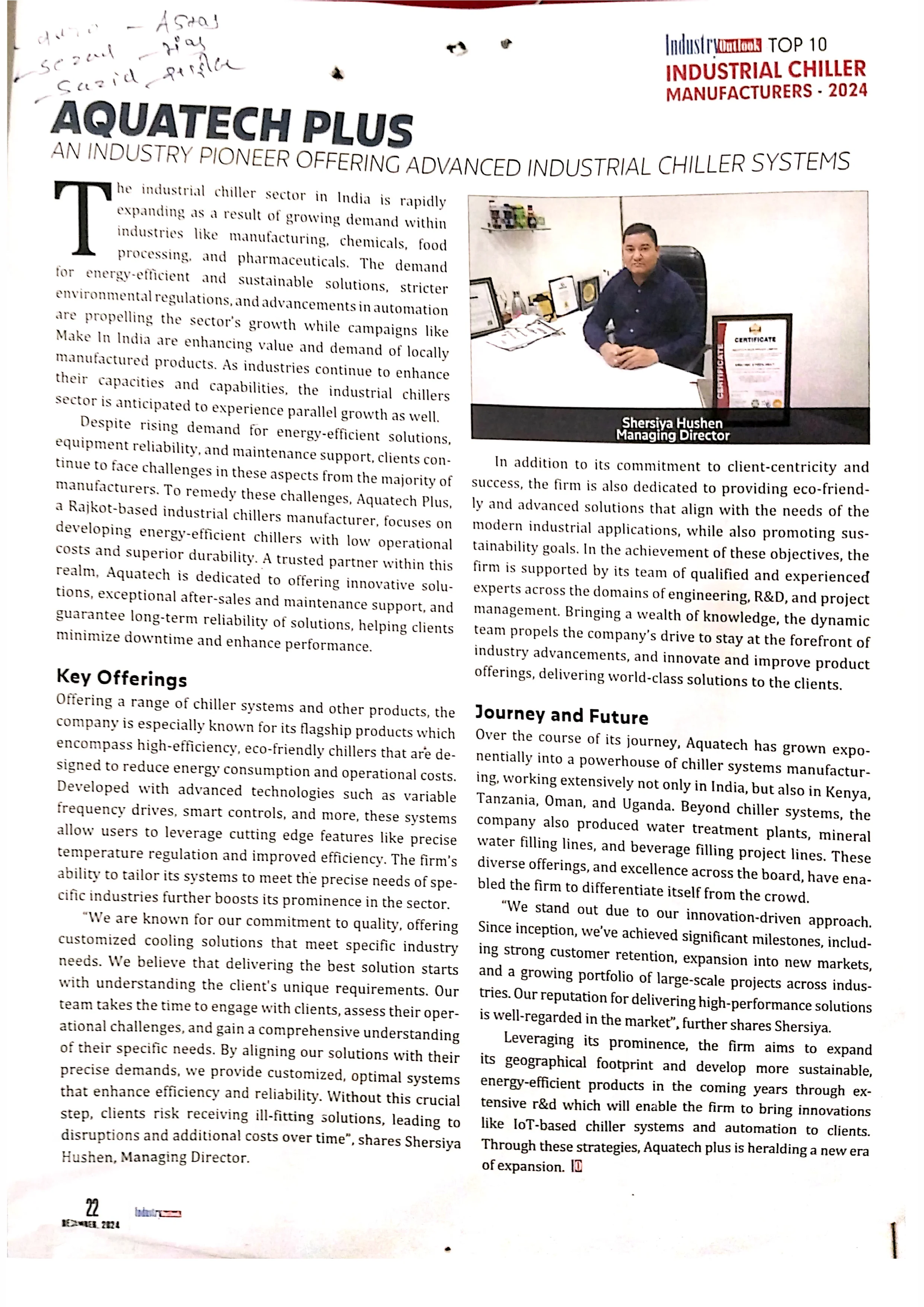
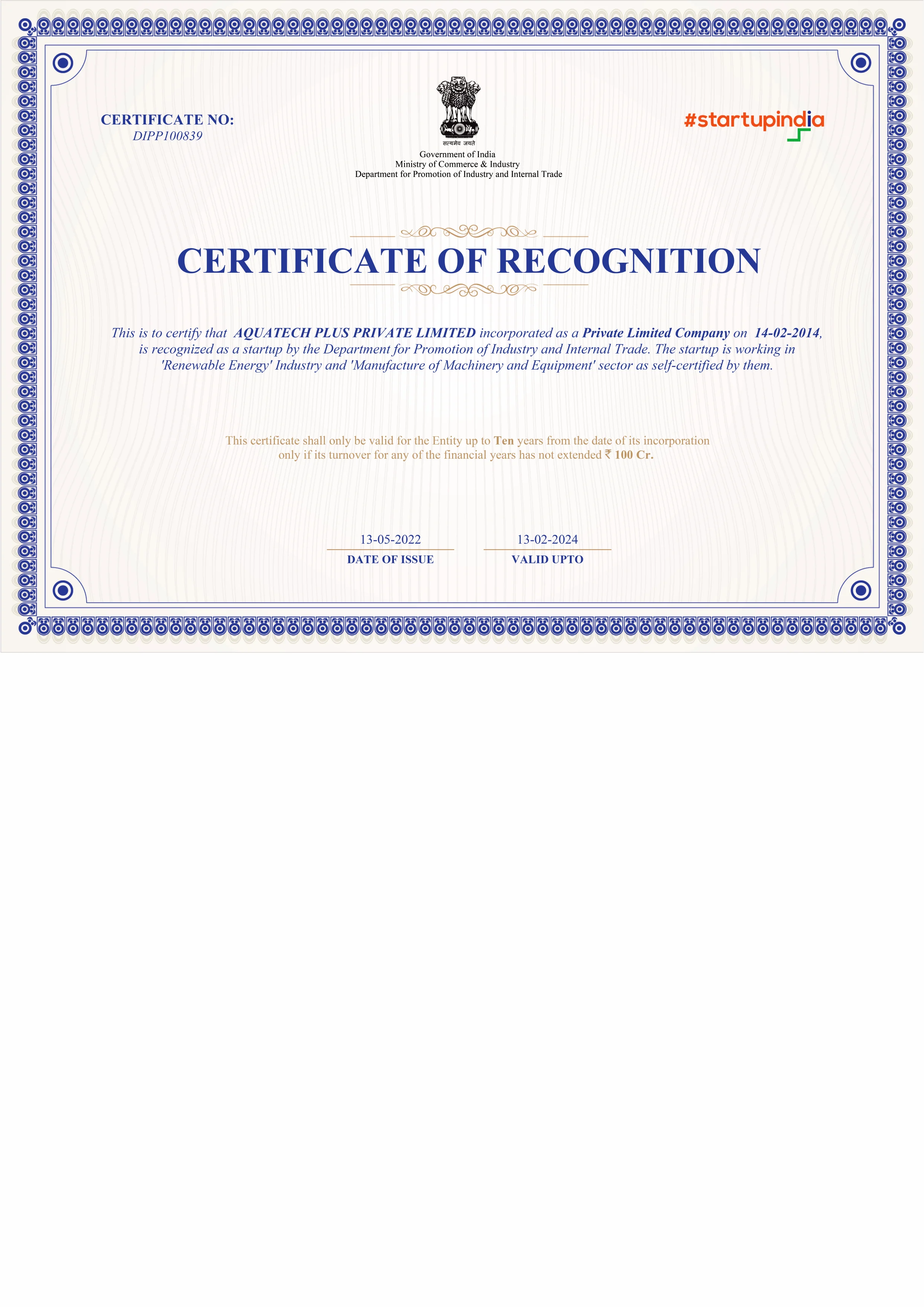
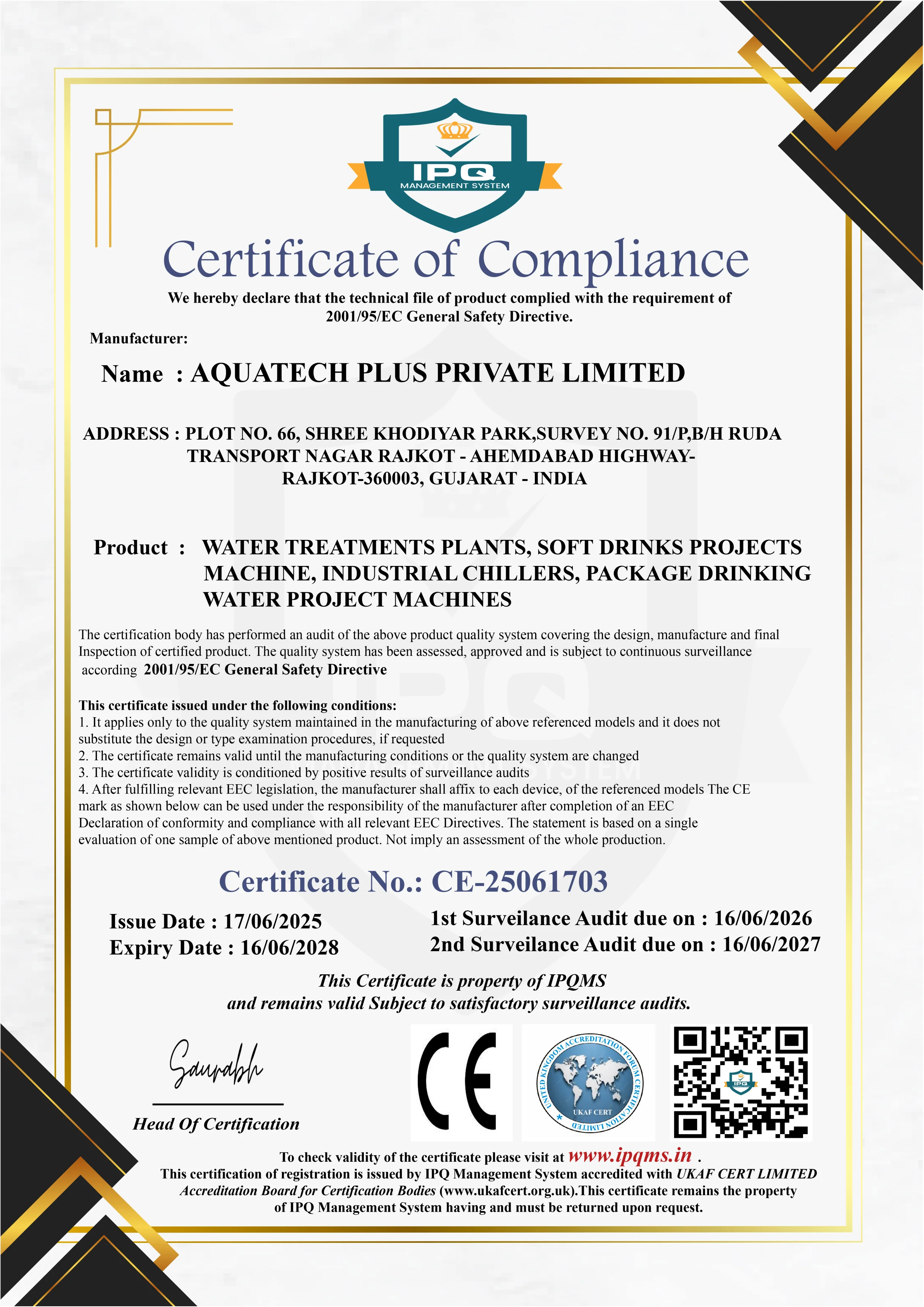
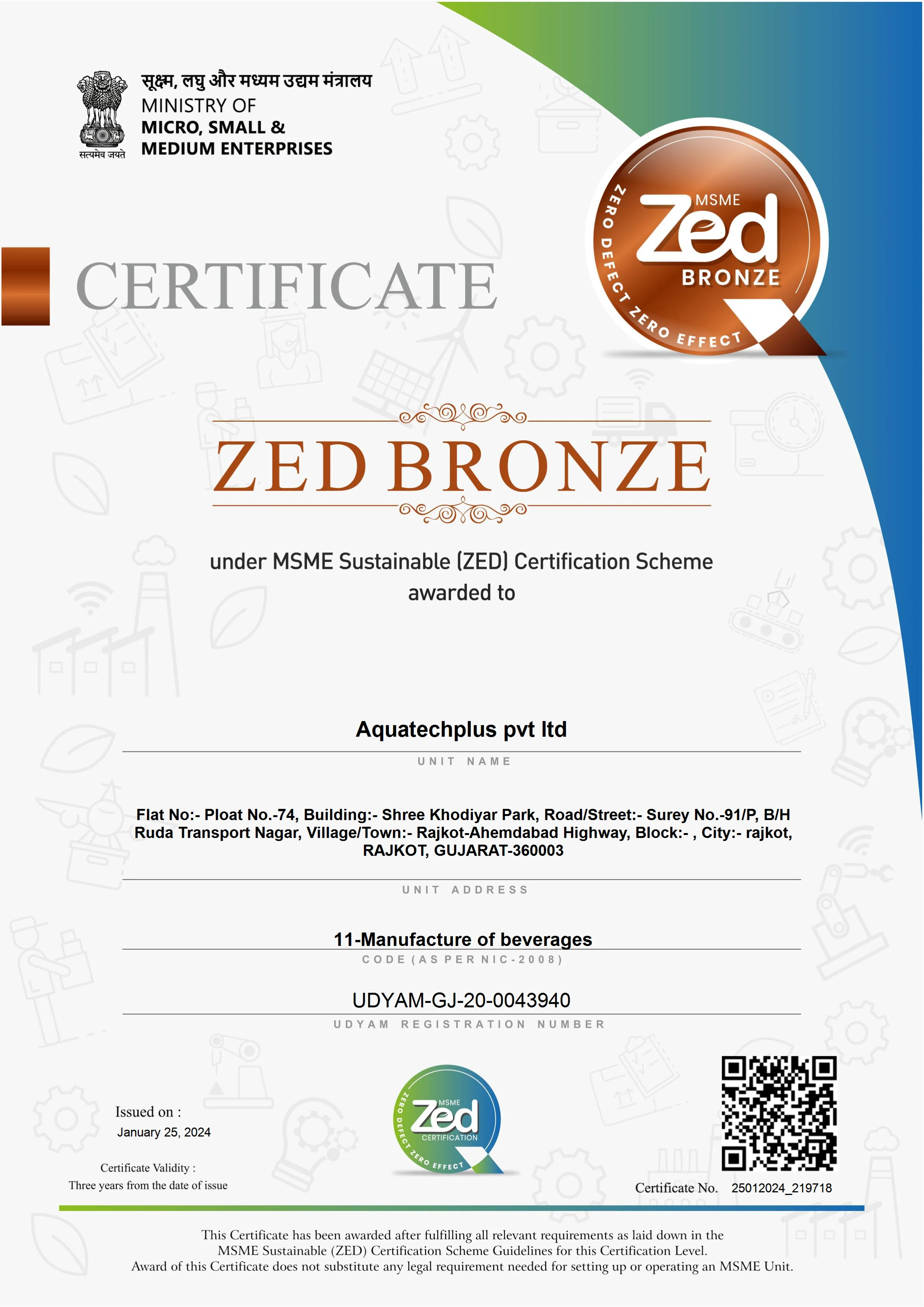
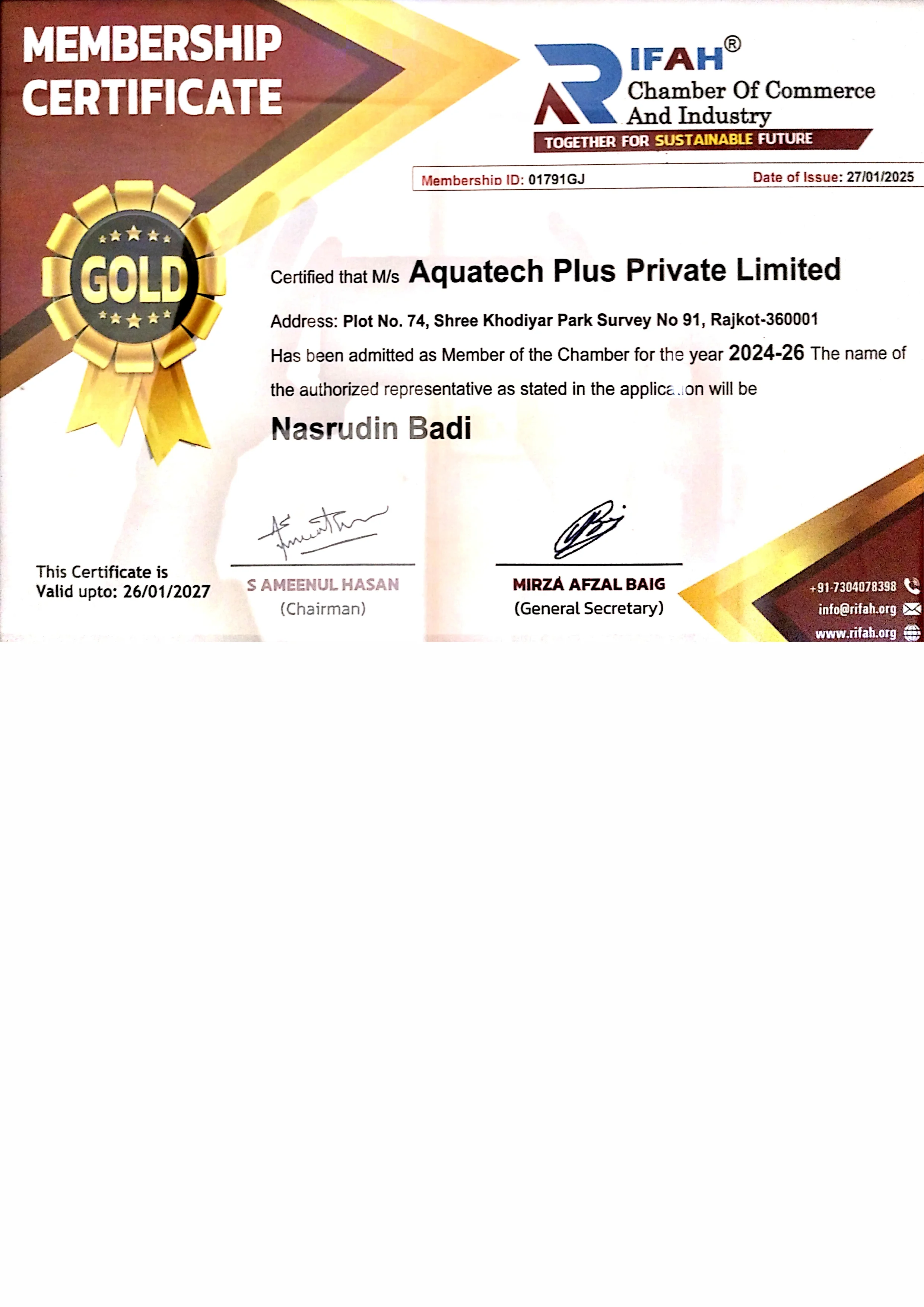

Some water coolers utilize air, some use water, some use glycol, and some use a combination of air, water, and glycol. Those are also further divided into scroll, screw, or centrifugal types. Aquatechplus water chillers are reliable, perform high quality, and are energy efficient.
The water chillers utilize a vapor compression cycle that contains a refrigerant, which passes through a compressor, a condenser, an expansion valve, and an evaporator. Within the evaporator, the refrigerant evaporates and absorbs heat from water, then shifts to the condenser, and the refrigerant cools down again. With respect to controlling temperature and transferring heat.
The water chillers use screw, scroll, reciprocating, and centrifugal compressors. Regardless of the cooling necessity, Aquatechplus water chillers are made with the latest compressor technologies along with the optimal refrigerant and energy efficiency for the determined operating state and performance necessity.
Water chillers are used in industrial processes, HVAC, plastics, pharmaceuticals, food and beverage, chemicals, lasers, and more. Certainly, markings of reliability, stability of processes, boosted quality, and augmented equipment efficiency are traversing across these domains with regard to Aquatechplus water chillers.
Water chillers are preferred when consistent cooling, higher efficiency, and large capacities are required, especially in industries with cooling towers and controlled water availability.
Water chillers provide highly stable and precise temperature control, making them ideal for sensitive industrial processes and applications requiring constant cooling conditions.
We carry a specified warranty and effective after sales services to all goods provided by us. Our warranty and service system will be aimed at long-term performance, reliability in terms of work, and peace of mind of our clients, both domestic and international.
Every product has a standard warranty of manufacturing defects dating back to the dispatch date or the date of installation, as existing. The warranty includes the defects to the quality of material and workmanship in the normal operation condition.
There are various warranty terms based on the product category, model, application and environment of use. Specifics on warranty period and coverage are provided in detail during the confirmation of orders or issue of invoice.
Warranty is not applicable on damages caused by:
Our technical support provides our clients with instructions on how to install, answer technical questions as well as basic troubleshooting. Depending on where the project is located, support is accomplished by providing documentation, remote assistance or by organizing services with service partners.
We assist both domestic and foreign clients with well-organized contact and export documentation. In the case of international customers, technical support and service management are offered remotely to have a comfortable functioning and prompt problem resolution.
There is a process in which service requests are processed. When we get a support request, we examine the problem and determine the warranty eligibility and suggest a remedy. The response timelines can be different depending on the product, location and availability of the components.
The above warranty and support terms are the standard policy which we use in our whole product line. Particular product-level warranty information might vary and are provided independently when taking orders.
This Warranty & Support section represents our standard company-wide policy and is consistently applied across our complete product range. The content is intentionally displayed on multiple product pages to communicate uniform warranty coverage, service terms, and support procedures.
While the core policy remains the same, actual warranty duration, coverage scope, and service conditions may vary by product model, application, and operating environment. Product-specific warranty details are shared separately at the time of order confirmation or documentation.