The purity of water in industries and commercial buildings is vital regarding efficiency in operations, quality of the product, and durability of the machinery. Dissolved mineral salt water can cause scaling, corrosion, and inefficiency in the boilers, cooling system and delicate industrial operations. This is one of the points at which a demineralisation plant can be considered the key to a stable industrial water treatment.
A water demineralisation plant, also called a demineralisation (DM) Plant, is a special condition of water treatment that is used to bring out dissolved salts and impurities of the water using ion exchange technology. A demineralisation plant replaces cations and anions in water with hydrogen and hydroxyl ions to form high-purity, low-conductivity water that can be used in boilers, pharmaceutical processes, laboratories and precision manufacturing.
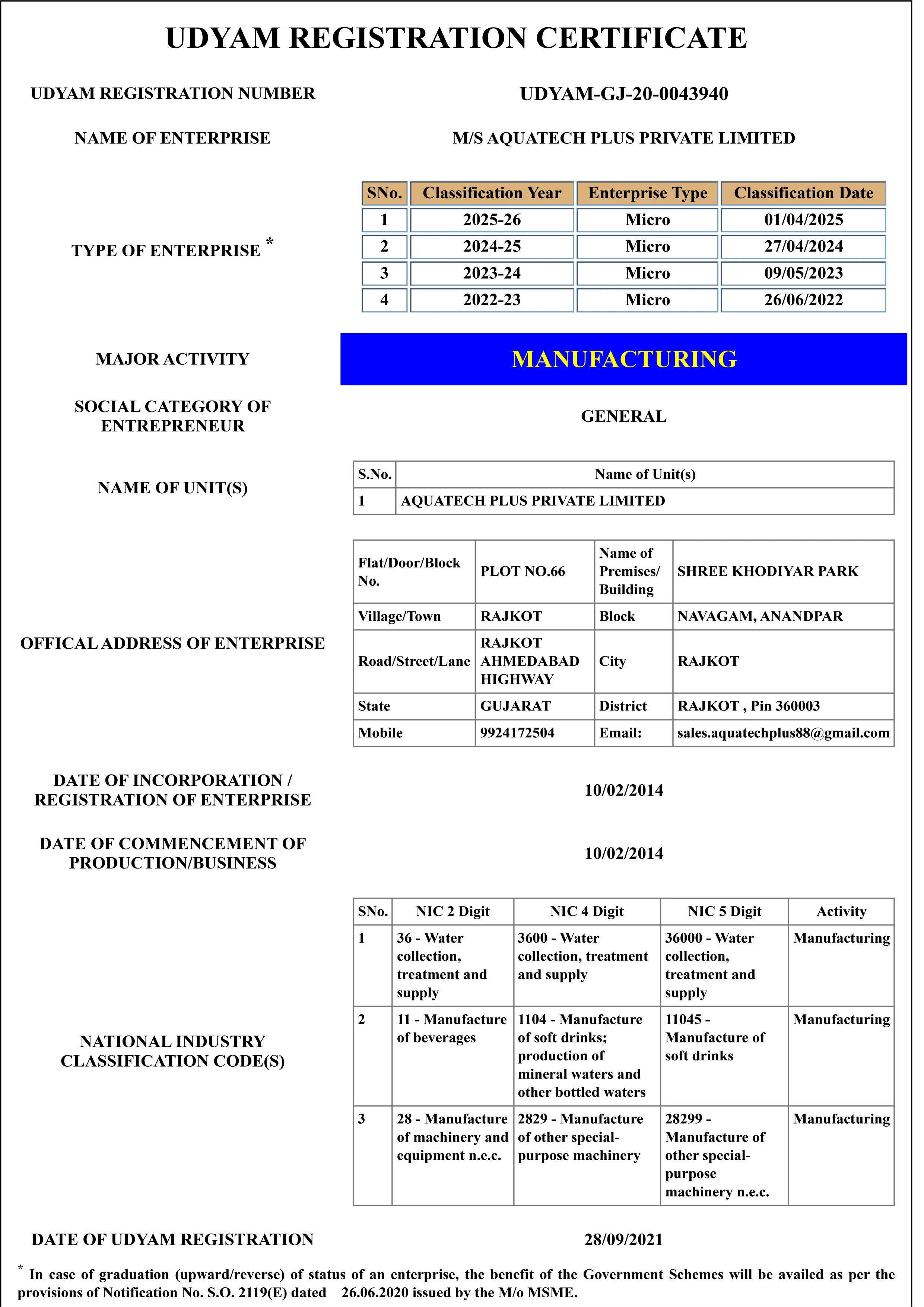
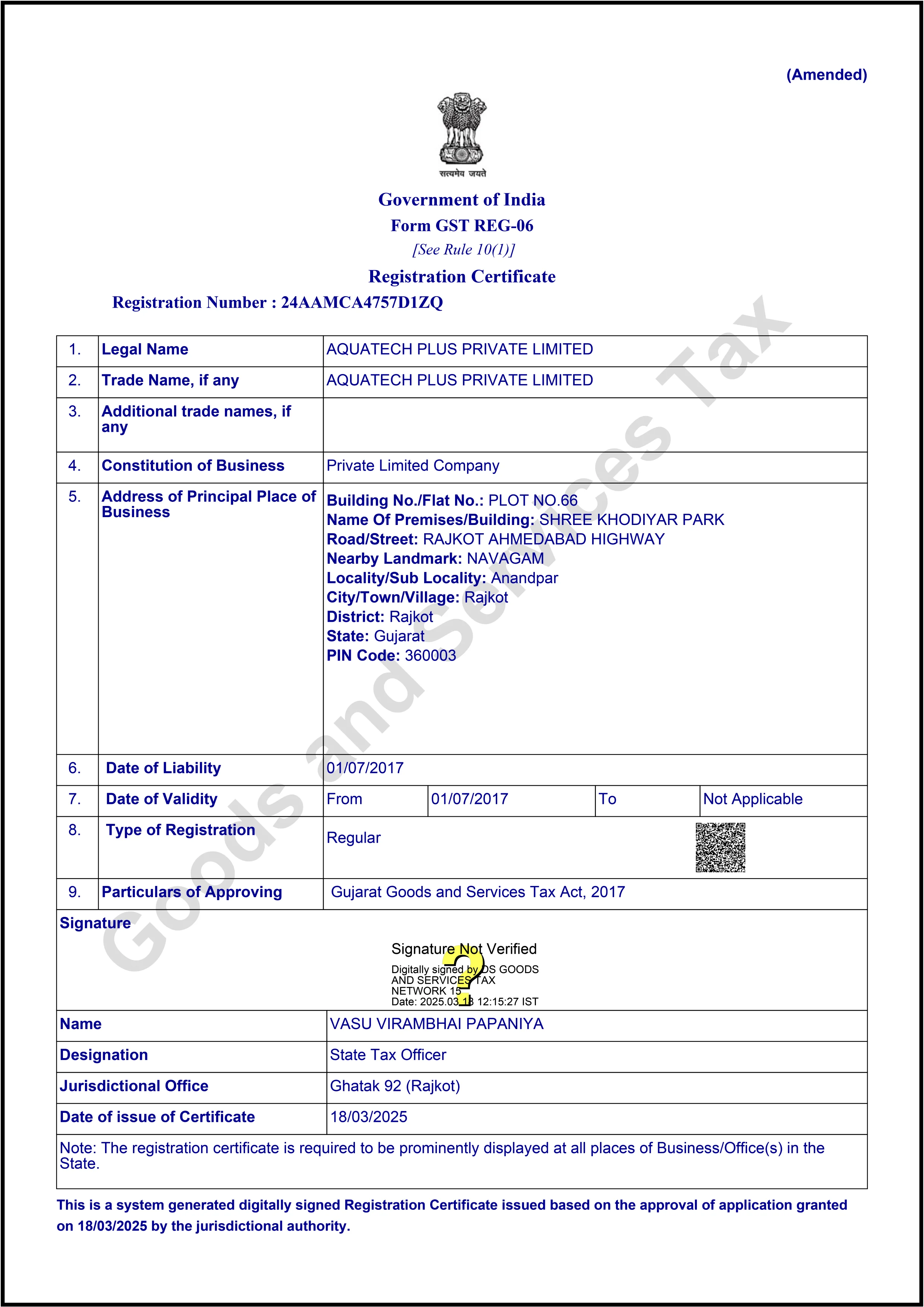
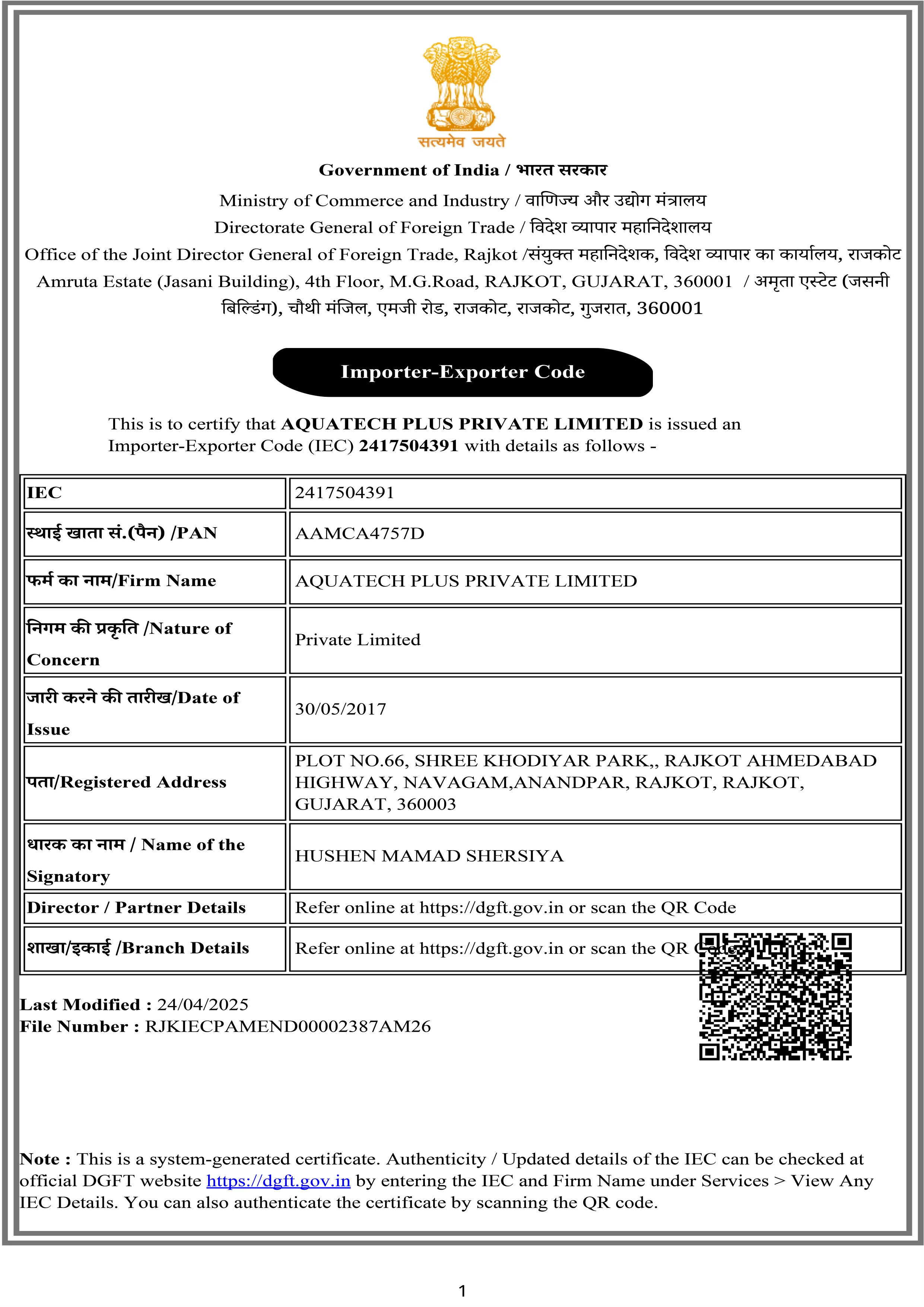
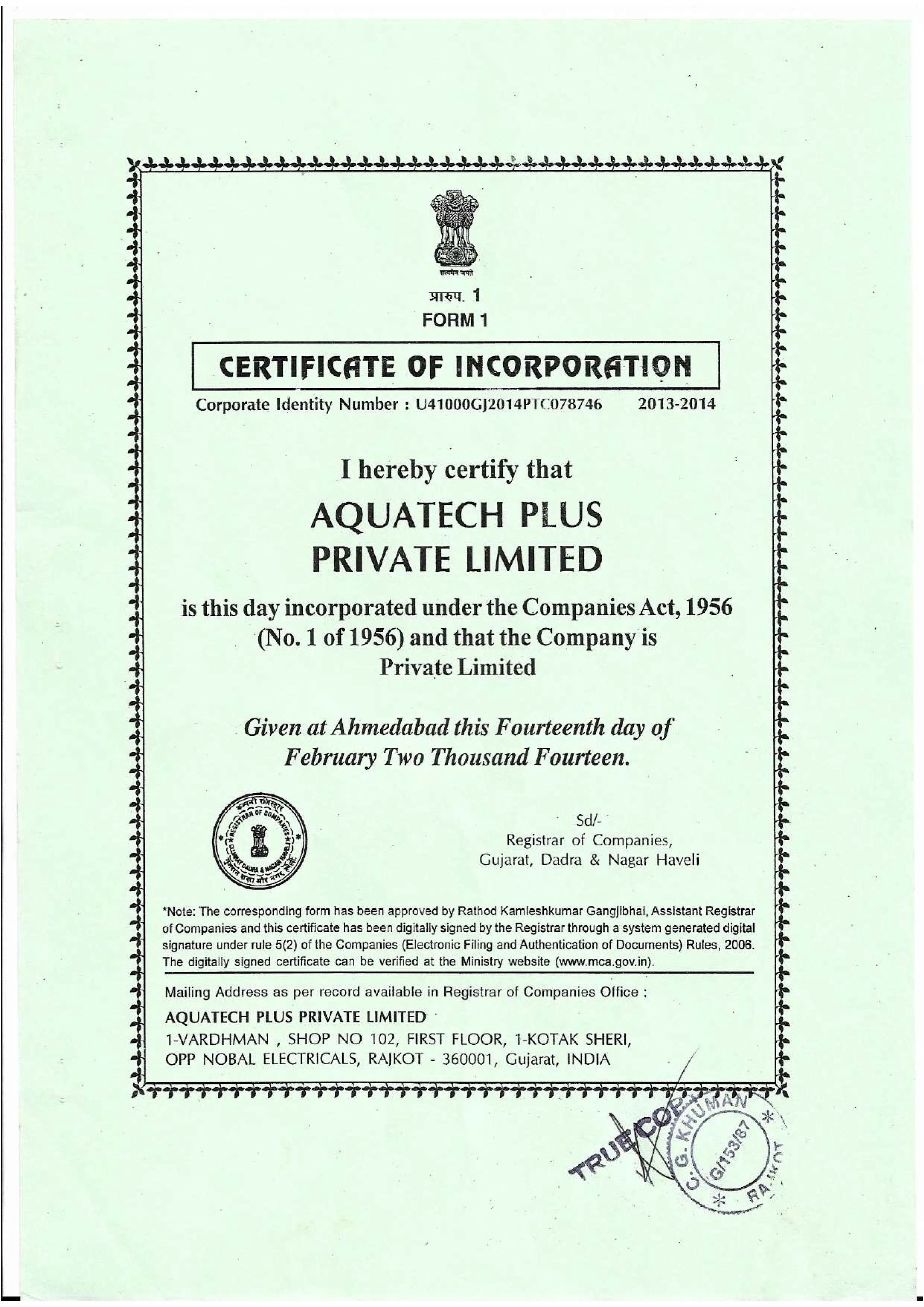
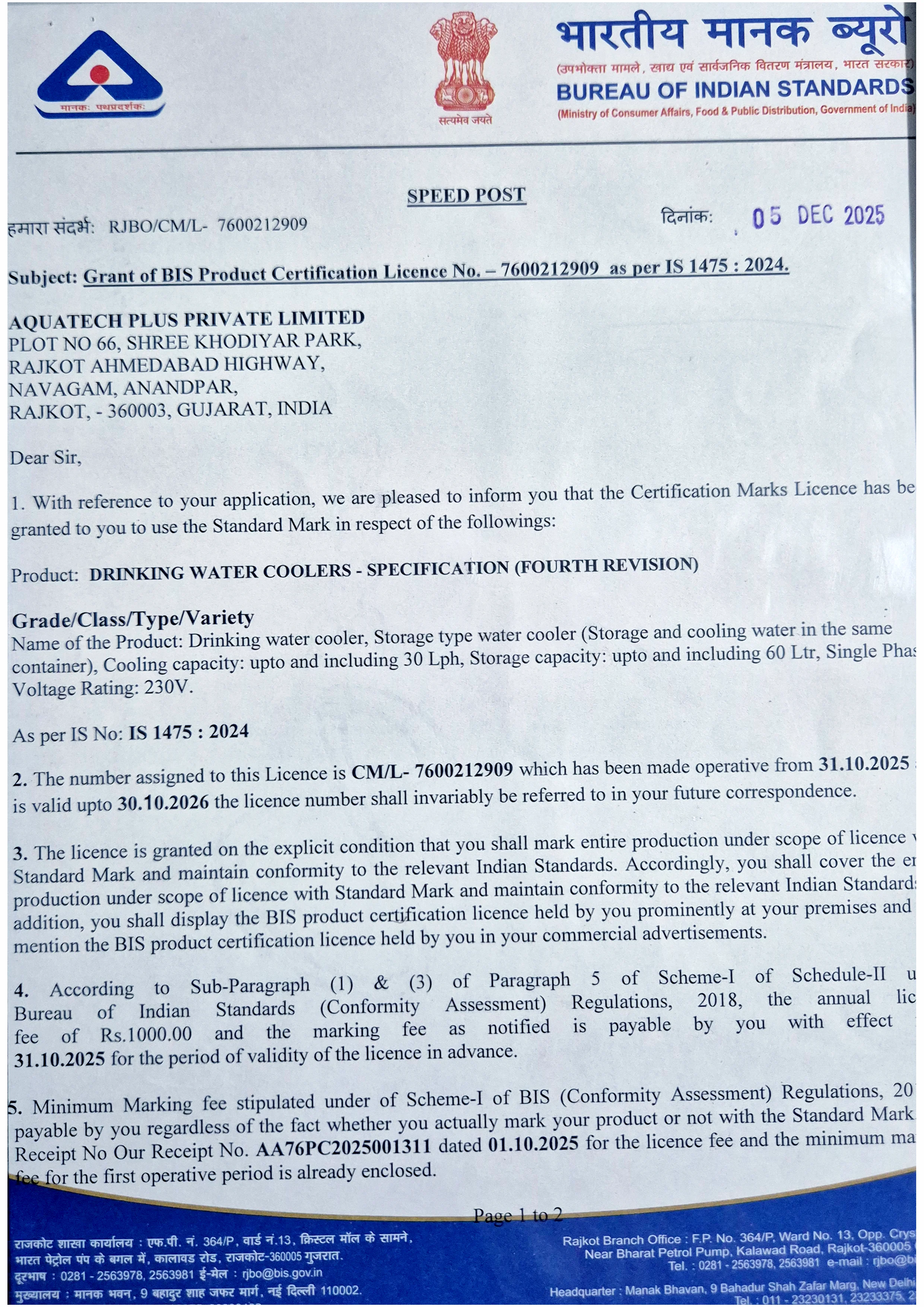
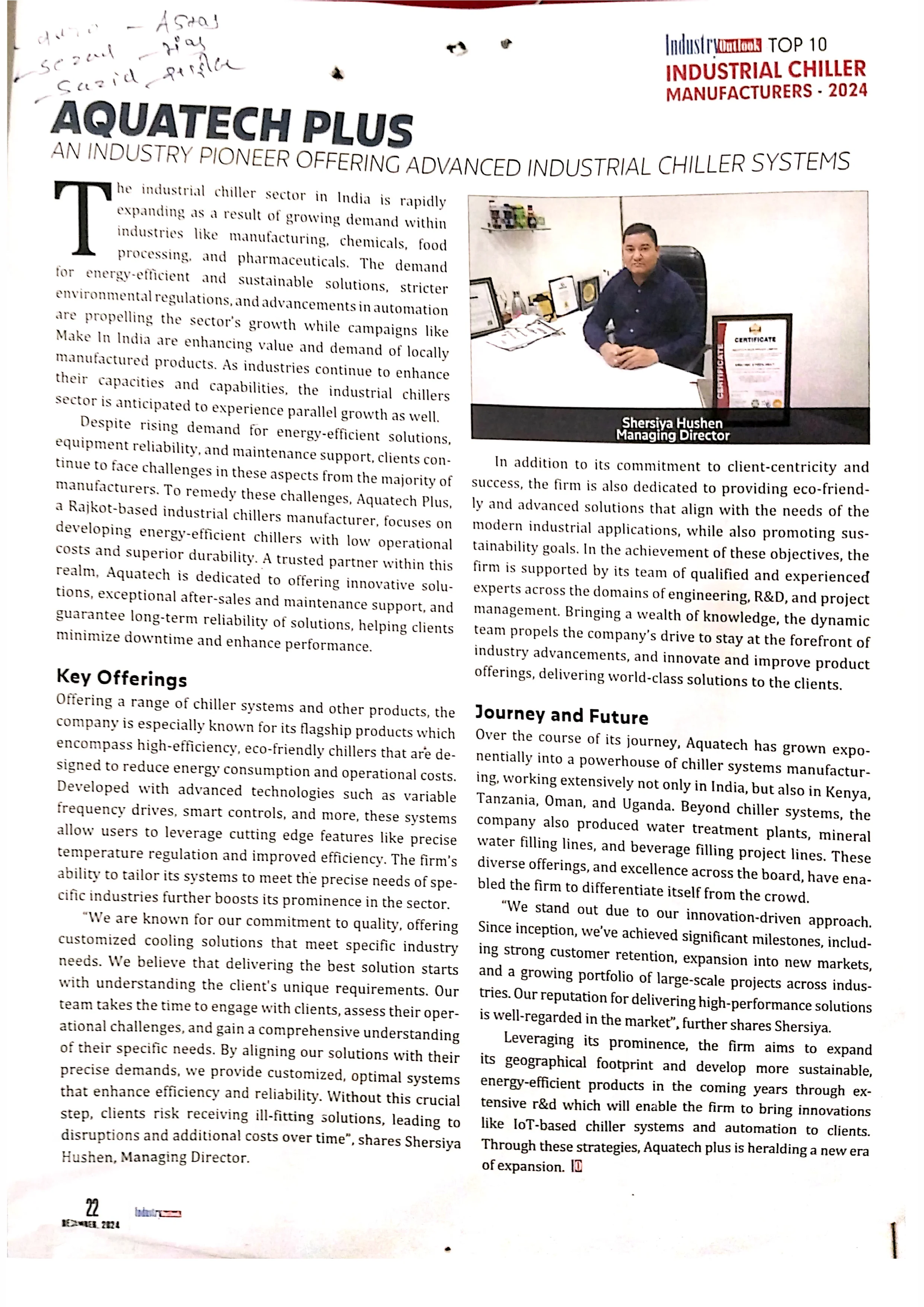
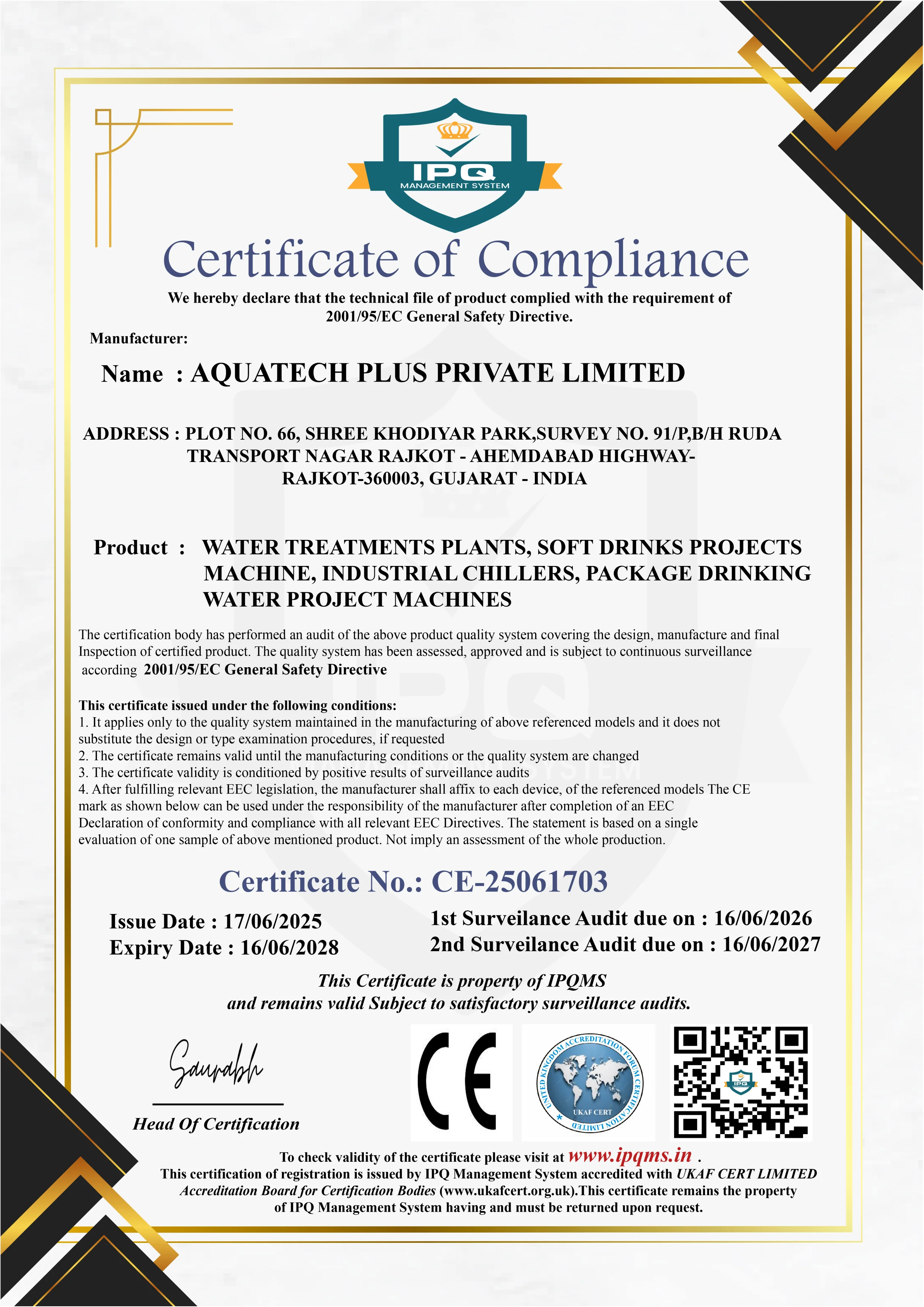
Aquatech Plus is a prominent DM Water Plants Manufacturers in Jodhpur, providing high-twelve-tech demineralisation water treatment plants to various industrial industries. Our solutions are designed in terms of reliability, operational efficiency, and long durability. We develop all the facilities for demineralisation water treatment to ensure consistent and ultra-pure water, while also minimising operational downtime and maintenance expenses.
Reputable Demineralization Plant Suppliers in Jodhpur
Aquatech Plus is known as a reputable Demineralization Plant Suppliers in Jodhpur because it offers advanced solutions for water demineralisation plants to industries and commercial premises. We are renowned vendors of demineralised plants and DM water plants and hence offer complete solutions – from design and installation to commissioning and long-term support.
Our Capabilities Include:
- We specialise in providing packaged water demineralisation plant solutions tailored to specific water quality and flow requirements.
- High-purity water plants There are both two-bed and mixed-bed demineralisation plants available.
- Skid-mounted and modular demineralised plant designs are easy to install.
- Large-capacity cation and anion resin columns are used to remove ions from DM water plants.
- Automatic regeneration optimises chemical consumption in water treatment plants for demineralisation.
- Automation: Automation of demineralised plants with efficient, unattended operation by use of PLC.
- The DM plant undergoes on-site commissioning, operator training, and preventive maintenance.
We examine source water composition, TDS levels (total dissolved solids), and operation requirements prior to designing every demineralised plant system. Our approach guarantees We ensure maximum resin life, high-quality water production, and cost-efficient operation for all water demineralisation plants we supply.
No matter the application of the feed water—be it for boiler feed, pharmaceutical manufacturing, laboratory use, or process water supply—our DM plant and demineralisation plant are designed to be efficient, durable, and reliable.
Demineralization Plant Exporters in Jodhpur
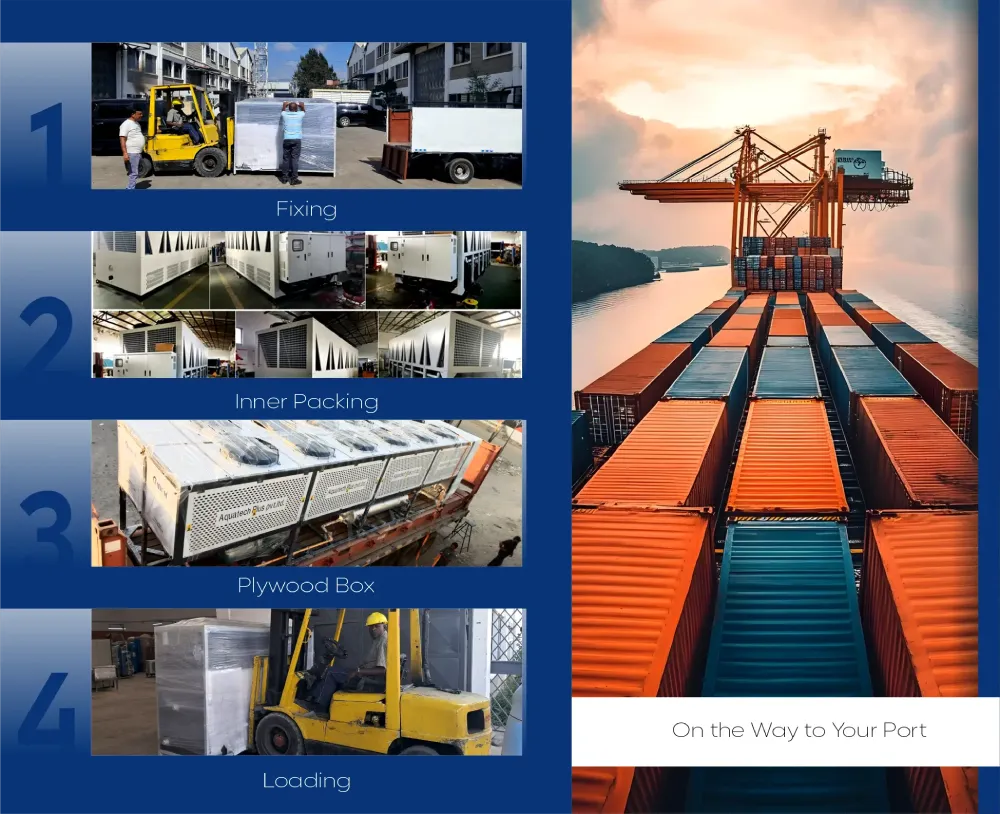
Aquatech Plus has developed a favourable reputation as a company that is one of the most trusted Demineralization Plant Exporters in the location and has been supplying advanced plants for demineralisation and water treatment to its clients around the world in various industries. A veteran Demineralization Plant Exporters in Jodhpur of the plant, we specialise in the delivery of high-performance water demineralisation plants that are usually built to a superior international standard and tight operational specifications.
All of the exported systems are designed to be precise to provide the same level of performance, durability, and effective extraction of the dissolved minerals, despite the adverse conditions of the water. The promise of quality, state-of-the-art engineering, and proven technology enables Aquatech Plus to provide demineralisation plants that have constant purification capacity, thus making us a reliable option for the industries in the world that want reliable Demineralisation Plant Exporters in Jodhpur.
Our Exported DM Water Plants and Demineralised Plants Are Capable of Handling:
- The demineralisation plants can handle water with a high mineral content and varying levels of Total Dissolved Solids (TDS).
- Both night and day operations necessitate the high purity of water in our DM plants.
- Water demineralisation plants are used in applications for boiler feed water in power plants and thermal plants.
- Water treatment is demineralisation in water purification plants used in pharmaceutical and laboratory water purification.
- Electronics, battery production, and the precision industry need ultra-pure demineralised water (DM), which is water that has had its mineral ions removed to meet high purity standards.
Each demineralisation plant has stringent quality inspections, such as resin performance, pressure tests, and automation tests, to ensure long-term stability in operation.
Location-based Demineralization Plant Demand
Across Jodhpur, industries require high-purity water to protect boilers, turbines, and sensitive manufacturing processes. Demand for DM plants is higher near our major global industrial hubs, where large-scale industrial operations depend on consistent mineral-free process water.
our major global industrial hubs: Power generation plants, pharmaceutical manufacturing clusters, chemical processing units, electronics manufacturing facilities, battery production plants, textile industries, laboratories, engineering factories, boiler-based industries, and large industrial estates.
Top Demineralization Plant Wholesalers in Jodhpur
Aquatech Plus is an experienced Demineralization Plants Wholesalers in Jodhpur to assist contractors, consultants, industrial developers and municipal water authorities in high-performance demineralised plants and DM water plants.
Our Product Range Includes:
We offer continuous operations for both two- and mixed-bed demineralisation plants.
DM water plants that are easily transportable, skid-mounted and pre-assembled.
PLC-controlled demineralisation plants are available in manual, semi-automatic, and fully automated configurations.
Compact water demineralisation plants are available in small, commercial, and laboratory-sized units.
The demineralisation plants for water treatment are equipped with combined chemical dosing and brine control structures.
To satisfy the needs of clients who require hybrid water treatment, we would have the option of combining demineralisation plants with pre-filtration, RO pretreatment, or post-polishing filters to enhance the overall purification process.
What's a demineralisation plant?
A demineralisation plant is a water treatment system that dissolves mineral salts using an ion exchange process to produce high-purity water with low conductivity and TDS. This water can be useful in applications where there is a need for water that is free of minerals to avoid scaling, corrosion, or contamination, such as boiler feedwater, pharmaceutical manufacturing, and laboratory processes.
How a Demineralization Plant Works
Cation Exchange Unit: Raw water flows through a bed of cation resin, and all positively charged ions of the water are removed, including calcium, magnesium, sodium, and the hydrogen ions in their place.
Anion Exchange Unit: The water is then passed through a resin bed of anion resin, replacing negatively charged ions such as chloride, sulphate and nitrate with hydroxyl ions.
Mixed Bed (Optional): A Mixed bed vessel is used to polish water of ultra-pure quality by using a mixture of cation and anion resin.
Degasifier (Optional): The carbon dioxide is removed to load the anion unit.
Regeneration: In the saturation of resins, they are regenerated with an acid (in the case of cation resins) and alkali (in the case of anion resins).
This is done to produce demineralised plants that provide water that can be used in sensitive industries, laboratories, and the pharmaceutical sector.
Categories of DM Water Plants
Two-Bed DM Plants
Uses also include applications of standard high-purity water through cation and anion vessels.
Mixed Bed (MB) DM Plants
These plants use both cation and anion resins within a single vessel to produce ultra-pure water with extremely low TDS (total dissolved solids) levels.
Automatic Skid-Mounted DM Plants
Small, assembled, and ready to install, these packages are designed for commercial or industrial applications.
Semi-Automatic / Manual DM Plants
Economical solutions for small-scale processes where regeneration cycles are controlled can significantly reduce operational costs and improve efficiency in water treatment applications, particularly by minimising waste and optimising resource usage.
Benefits of Demineralization Water Treatment Plants
High-purity Water: eliminates as much as 99 per cent of the dissolved minerals and salts.
Equipment Protection: The equipment protects boilers, turbines, and industrial equipment against scaling and corrosion.
Improved Quality of Products: Necessary for pharmaceuticals, laboratories, electronics and chemical processes.
Operational Efficiency: Minimisation of downtime, minimisation of maintenance costs.
Universal Uses: Can be used for various industries, including power, pharmaceutical, chemical, automotive, and laboratory water needs.
Maintenance & Operational Efficiency
Modern demineralised plants are constructed with minimal manual labour.
Chemical Replenishment: Acid and alkali are also introduced as and when required to regenerate resin.
Automated Regeneration: Cycles that are controlled by a PLC minimise waste and maximise the use of chemicals.
Long Lifespan: Quality DM plants have 10-15 years of operations when well maintained.
Water Efficiency: The regeneration cycles are optimised so that there is no wasted water.
Frequent supervision, resin changes, and preventive maintenance assist in keeping a consistent high purity of water outflow.
Core Technologies in DM Plants
Ion Exchange Resin Technology
- High-capacity cation and anion resins eliminate mineral salts.
- Regeneration guarantees the continuous supply of pure water of high quality.
Mixed Bed Polishing
- It produces highly pure water for sensitive industrial and laboratory applications.
Automation & PLC Control
- Automates the regeneration cycles, conductivity monitoring (measuring the ability of water to conduct electricity), TDS monitoring (measuring total dissolved solids), and maintenance alert.
Skid-Mounted & Modular Design
- This design ensures swift implementation and reduces the required space.
Industry-Specific Applications of DM Water Plants
- Power Plants: In high-pressure boilers and turbines, boiler feed water is used to inhibit scale, which helps maintain efficiency and prolong the lifespan of the equipment.
- Pharmaceuticals and Laboratories: Drug preparation and cleaning as well as sterilisation.
- Electronics: Semiconductor component rinsing and cleaning.
- Automotive and Battery: Radiator coolant and lead-acid battery.
- Chemical & Textile: Water treatment to a uniform standard of purity.
Key Components of a Demineralization Plant
- Cation Resin Vessels and Anion Resin Vessels.
- Mixed Bed Vessel (of ultra-pure water)
- Regeneration Brine Tanks.
- The PLC is responsible for monitoring and controlling the valves.
- The system is equipped with flow meters, pressure gauges, and TDS (total dissolved solids) sensors.
These elements make sure every demineralisation plant can produce quality water under low levels of supervision.
Advantages & Considerations
Advantages:
- It produces water that is exceptionally pure, boasting low TSS and conductivity levels.
- It also prevents equipment scale and corrosion.
- It offers high-quality products suitable for sensitive applications.
- This approach minimises operations' downtime.
Considerations:
- Chemical handling regeneration is required.
- It is not appropriate to use high-TDS (total dissolved solids) water without first pre-treating it with RO (reverse osmosis).
- Maintenance and replacement of resin requires competent operation.
- Generates waste brine, which must be properly disposed of.
DM Plant Services in Jodhpur
Aquatech Plus offers overall DM water plant services:
- Aquatech Plus provides services such as TDS (total dissolved solids) testing and feedwater analysis, which help ensure the quality of the water used in demineralising processes.
- Tailor-made DM plant engineering.
- Installation, commissioning and automation.
- Our services also include AMC packages and preventive maintenance.
- We also provide services for resin replacement and brine control.
What we are concerned about is achieving long-term operational efficiency, uniform ultra-pure water production, and low downtime.
How to Choose the Right Demineralization Plant Company in Jodhpur
Technical Skills: Be familiar with how ion exchange as well as DM plants work.
Custom Engineering: Systems are expected to be designed according to water TDS (total dissolved solids), flow, and application requirements.
Automation Integration: PLC-controlled systems, which are programmable logic controllers that automate processes, minimise human intervention and enhance stability.
Maintenance Support: AMC (Annual Maintenance Contract) and on-site service are available to guarantee long-term performance.
Experience in the industry: Local extractors with experience in power, pharmaceutical, laboratory and commercial water treatment.
Sustainability & Future of DM Water Plants
The contemporary decalcified plants are concentrated on:
- The focus is on the efficient use of both chemicals and water.
- This is achieved by pretreating combined hardness and TDS using RO.
- The operation requires minimal human intervention and is fully automated.
- The designs are mobile, customisable, and environmentally friendly.
- The demineralisation (DM) plant is a good solution, as it is economically efficient in terms of operations, the product quality is high, and the environmental responsibility is long-term.
Partner with Experts for Reliable DM Water Plant Solutions
The selection of a professionally composed demineralisation plant ensures ultra-pure water for important areas, equipment protection, and operational efficiency.
Whether you require:
- DM plants with high capacities are designed to cater to various industries, such as power generation, pharmaceuticals, and electronics manufacturing, where ultra-pure water is critical for operational success.
- Mixed-bed ultra-pure water systems.
- Automated PLC-controlled units.
- Skid-mounted modular systems.
Aquatech Plus provides DM water and demineralised plants designed for durability and efficiency, consistently producing high-quality water.
We are also interested in selling a reliable water demineralisation plant in Jodhpur that can provide technically sound, high-performance, and long-lasting solutions to the client. Therefore, contact the company today to design a unique DM plant that satisfies the client's operational and quality standards.